From High Kings to Townlands
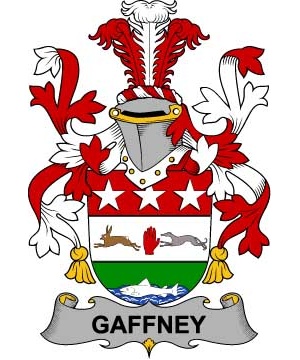
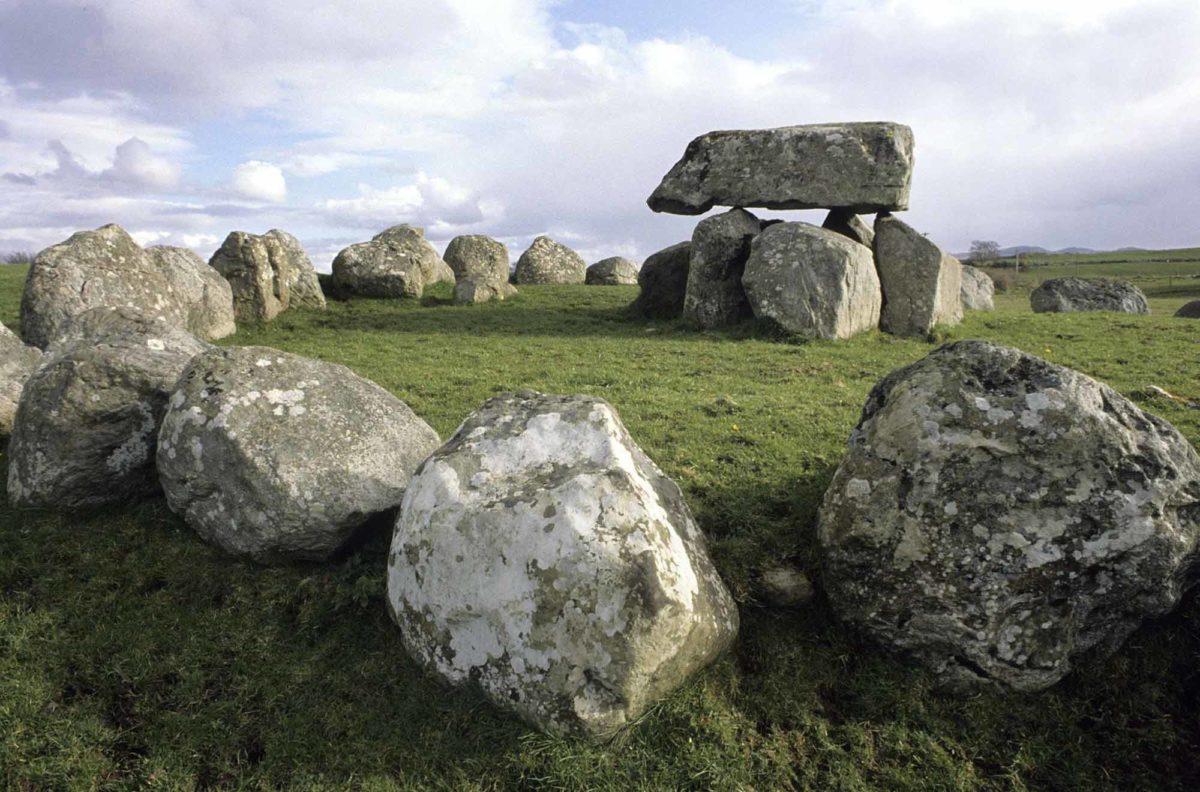
Every family tree has roots that reach deeper than the oldest birth record. For the Gaffneys, those roots reach to the very foundations of Irish kingship.
The lineage begins with Eochaid Mugmedón, a High King of Ireland whose reign marks the beginning of a dynasty that would shape the northwest for centuries. From Eochaid descended Fiachrae, whose name became the root of dynasties across Connacht. Through Fiachrae came Dáithí, known as Nath Í mac Fiachrach — the last pagan High King of Ireland, whose reign ended around the time the Christian faith was spreading across the island.
After Dáithí came Ailill Molt, King of Connacht, who died around 482 A.D. It was from Ailill Molt and his descendants that the great Connacht dynasty would eventually branch into smaller noble septs — including the Ó Gamhna, ancestors of the Gaffneys of Sligo and Roscommon.
A Royal Genealogy
The Gaffney line descends from Eochaid Mugmedón → Fiachrae → Dáithí (last pagan High King) → Ailill Molt (King of Connacht, d. ~482 A.D.). This is not mere legend, but a genealogy preserved in medieval Irish texts and accepted by academic historians of early medieval Ireland.
The Uí Fhiachrach Muaide
The dynasty that Ailill Molt ruled eventually split into two branches. The southern branch, Uí Fhiachrach Aidhne, ruled the territories of what is now south Galway and County Clare. But it was the northern branch — Uí Fhiachrach Muaide — that shaped the lands where our family would live for centuries to come.
Uí Fhiachrach Muaide controlled vast territories across the north of Connacht: the region known as Tír Fhiacrach Muaide (roughly the modern Tireragh barony), stretching across what is now south Sligo, north Roscommon, and east Mayo. It was a kingdom of cattle herds, fortified settlements, and monastic communities — a place where power was measured in land and livestock, where kings and nobility held court.
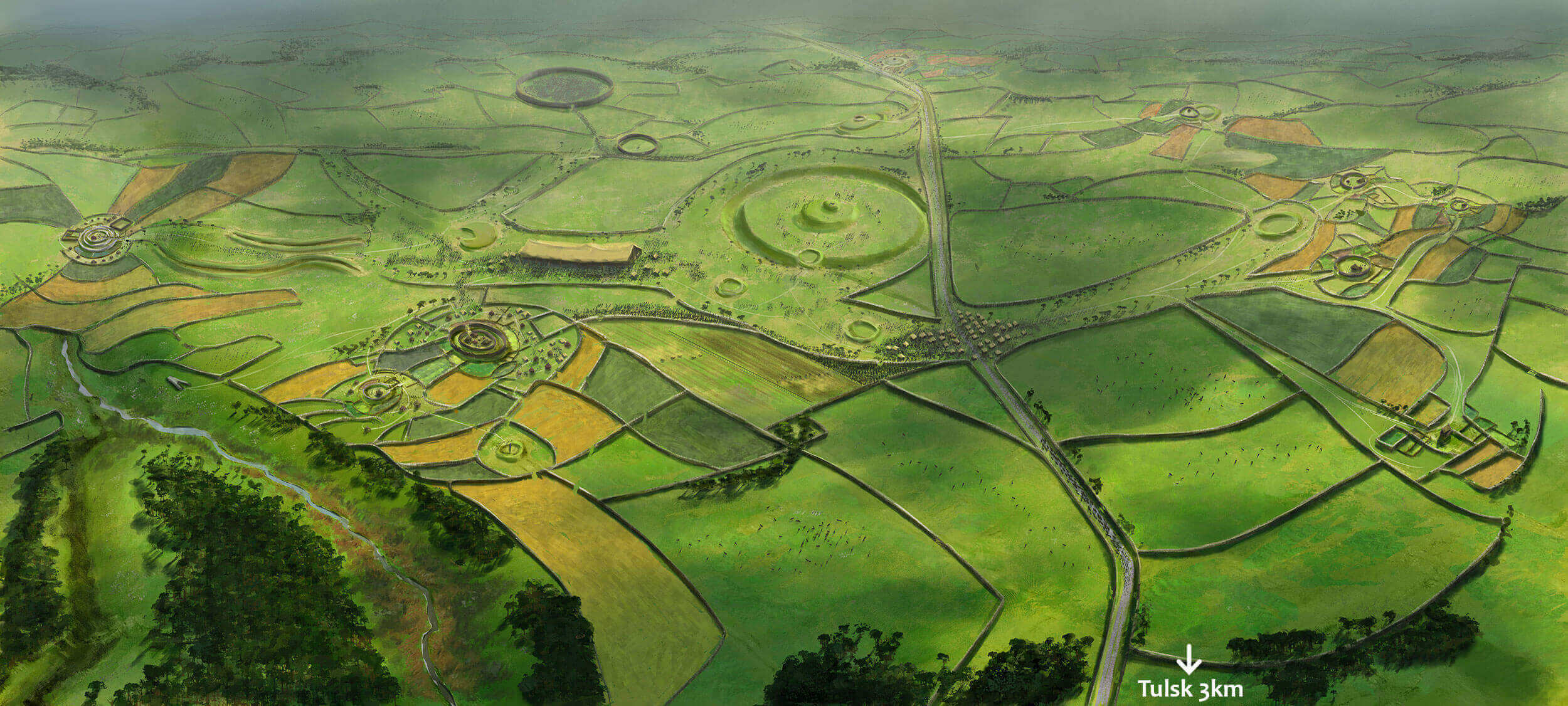
The royal seat of this dynasty was Rathcroghan (also known as Cruachan Aí), near Tulsk in County Roscommon. Rathcroghan was the burial ground of the Kings of Connacht, a place of great ceremonial importance. You can still visit Rathcroghan today and see Dáithí's Pillar Stone standing in the landscape — a tangible connection to the very roots of this family's power.
A Kingdom in Connacht
Uí Fhiachrach Muaide ruled north Connacht from roughly the 5th century through the 12th century. Their territory encompassed the modern baronies of Tireragh (south Sligo), parts of Roscommon, and east Mayo. Royal capital: Rathcroghan, County Roscommon, where the Kings of Connacht were buried.
The Birth of a Name
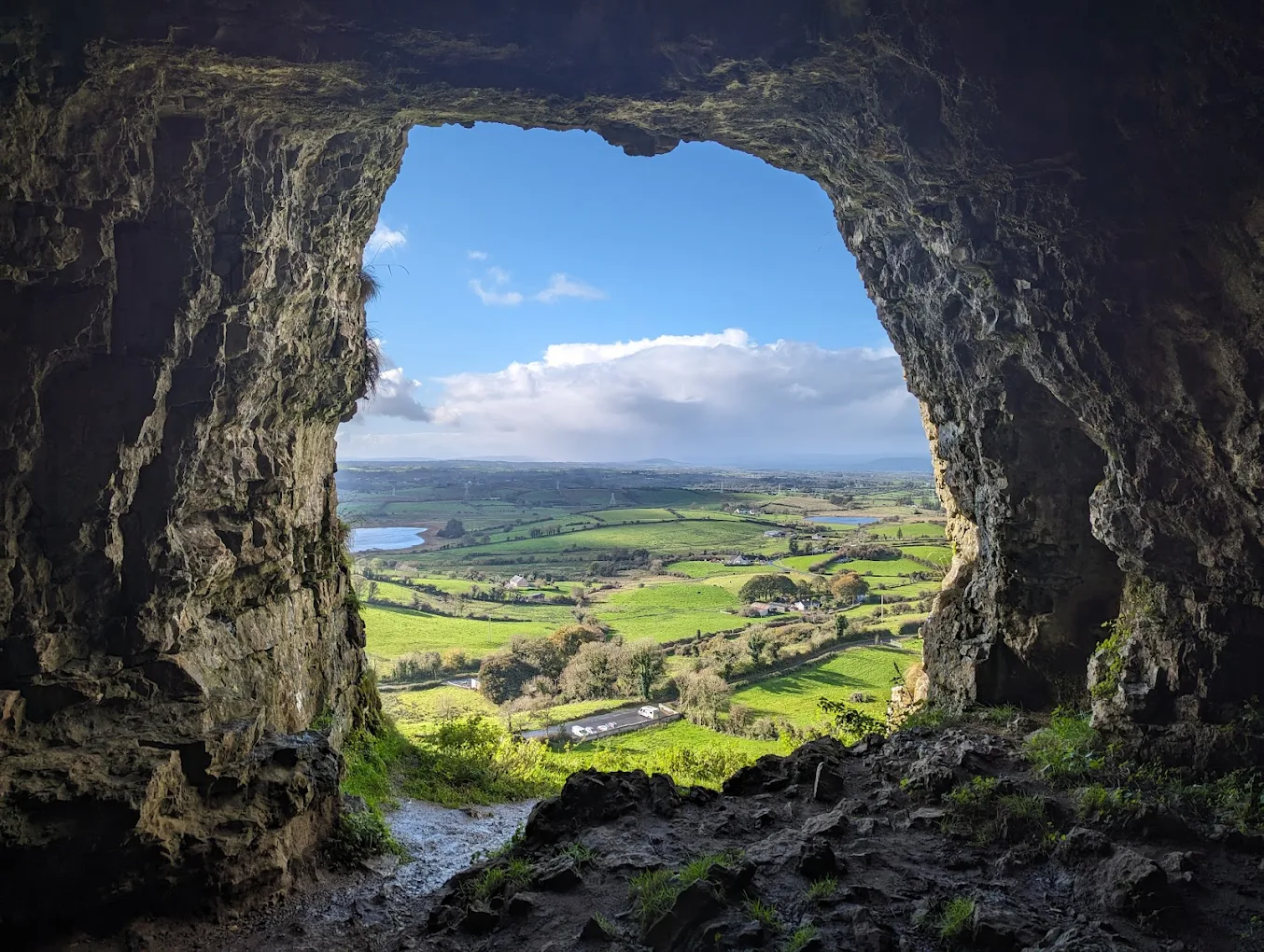
Sometime between the 10th and 12th centuries, as the medieval Irish world took on its distinctive shape, the great dynasties began to fragment into smaller noble septs. These were not entirely new families, but rather branches of the larger royalty that had established their own territories and lines of descent. One such sept was the Ó Gamhna.
The name itself is revealing. "Ó Gamhna" means "descendant of Gamhain," where gamhain is the Irish word for "calf." The name is patronymic—it tells us it derives from an ancestor named Gamhain, not from an occupation or a place. In the Irish naming system that was taking shape during this period (surnames began forming around 900-1000 A.D.), this marked the family as having a specific line of descent, a genealogical claim to identity.
Why "calf"? The choice of such a name speaks to the pastoral wealth of the region. In medieval Ireland, cattle were the ultimate measure of riches. To name a clan after a calf was to associate them with vitality, youth, and the prosperity that cattle herds represented. It was a name befitting a free noble family.
Medieval genealogies place an ancestor named Erca (or Earca) as the link between the great Ailill Molt and the emergence of Ó Gamhna as a distinct sept. This is traditional genealogy—not always provable from documents, but geographically and politically coherent. The Ó Gamhna occupied the lands that their ancestors had held for generations, and they maintained their identity as free nobles of the lower flaith class — not kings themselves, but of royal blood, serving as landholders, military retainers, and power brokers in their territories.
The Meaning of Ó Gamhna
"Descendant of Gamhain" — a patronymic name formed in the early medieval period (10th-12th century). The name links the family to cattle wealth and nobility, and connects them genealogically to the great Ailill Molt, King of Connacht. Patronymic surnames marked a family's claim to a specific line of royal descent.
The Charlestown–Gorteen–Ballymote Triangle
By the time the Ó Gamhna sept was fully established, their territory had a distinctive shape. It was concentrated in the lands now known as south Sligo, north Roscommon, and east Mayo—a region that forms a rough triangle connecting three important locations.
The western anchor of this territory is Charlestown, in County Mayo, a settlement that rose to prominence in the 18th century. The central anchor is Gorteen, in County Sligo, where the Gaffneys had their principal burial ground. The northern anchor is Ballymote, also in County Sligo, famous as the site of Ballymote Castle (built in 1300) and home to the Book of Ballymote, a 14th-century manuscript that preserved many of the genealogies and histories of the Connacht clans, including that of the Ó Gamhna themselves.
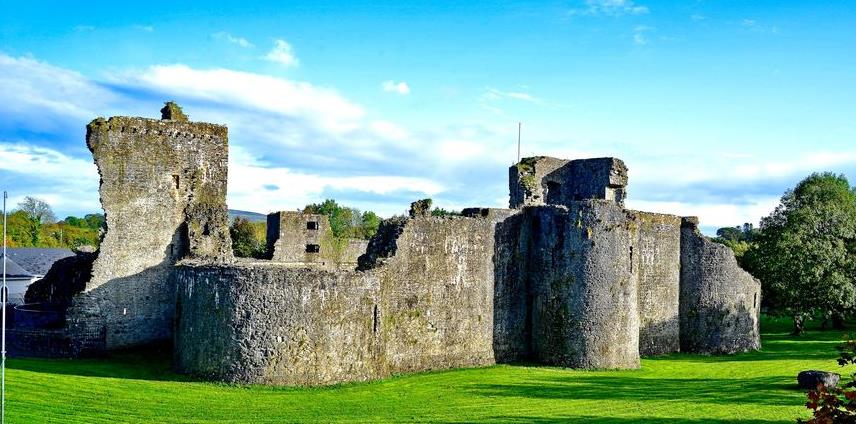
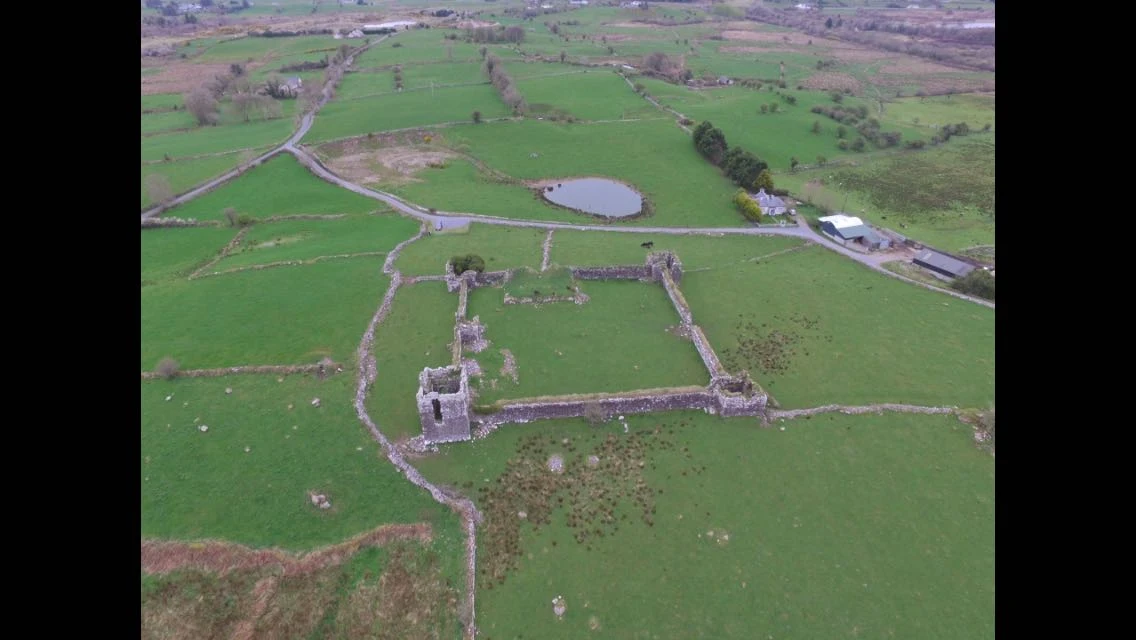
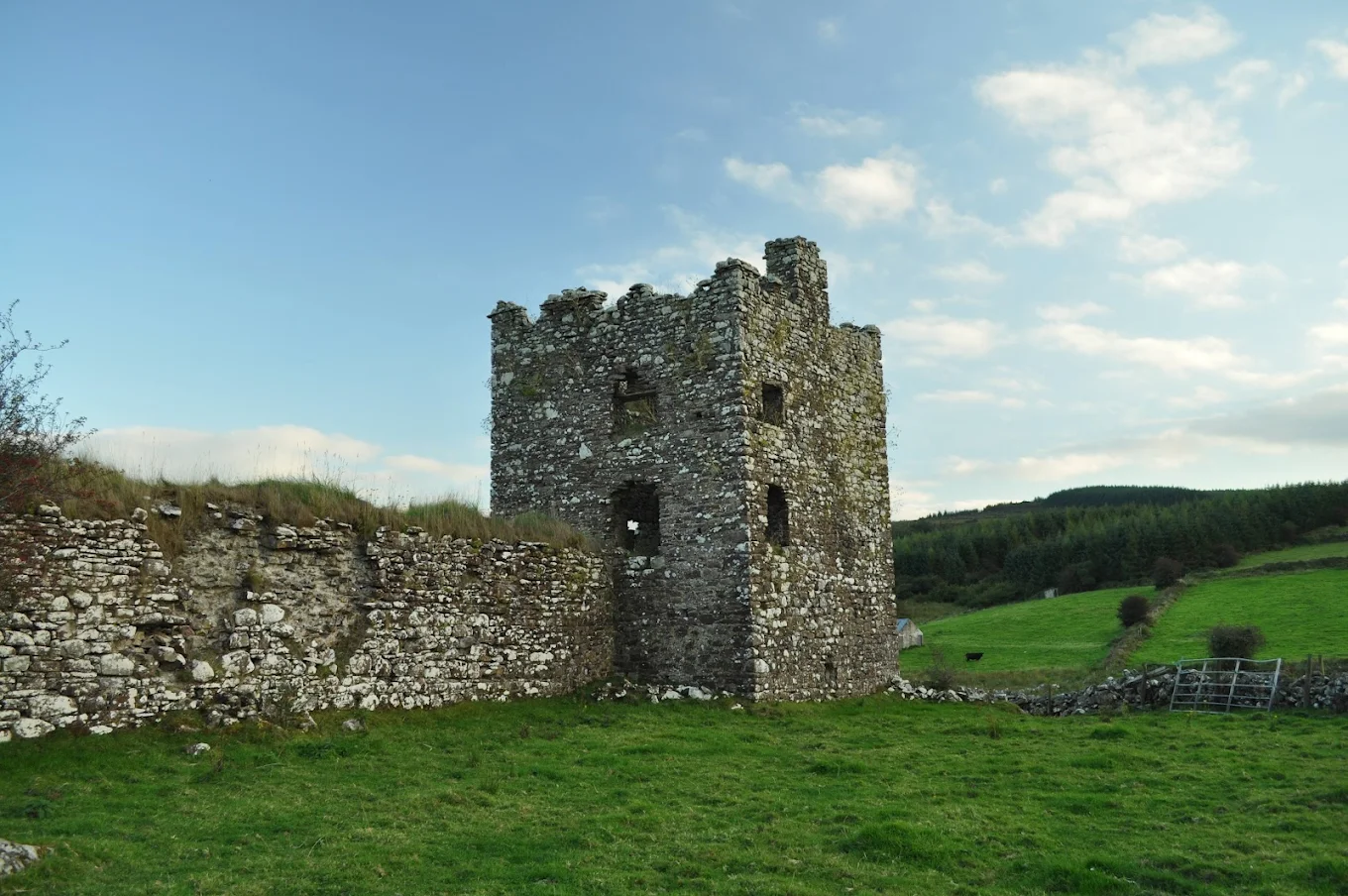
Right in the heart of this triangle lies the townland of Falleens — the very place where the Gaffney brothers of the 19th century farmed their land. This is no accident. The name clustering we see in 19th-century records—Gaffneys, Caseys, Flahertys, all concentrated in the same small region—is a hallmark of an old, stable Gaelic sept that has occupied the same territory for centuries.
The barony that encompassed Falleens is called Coolavin. This small district, barely a handful of townlands, was a Gaffney stronghold. It was here, on the same lands that their ancestors had held for generations, that Owen, Patrick, Andrew, and Matthew Gaffney were born and raised. The bonds that held them to this place ran deeper than property deeds or leases—they ran back to the medieval sept, to the kingdoms that had ruled Connacht, and ultimately to the High Kings of Ireland.
Ó Gamhna Territory: A Medieval Legacy in the 19th Century
The Charlestown–Gorteen–Ballymote triangle marks the historic center of Ó Gamhna lands. Falleens lies directly within this region, in Coolavin barony. The persistence of Gaffney families in the same townlands in the 19th-century Griffith's Valuation demonstrates a continuity of settlement stretching back at least eight centuries—from the medieval sept to the modern era.
What This Means
Understanding the Ó Gamhna clan history clarifies several important points about the Gaffney family:
- Connacht origin: The Gaffneys were a Connacht clan, with roots in the great dynasties of northwest Ireland. They were not Irish-speakers who arrived from elsewhere, but settlers with deep ancestral claims to these lands.
- Royal blood: While not kings themselves by the 19th century, the Gaffneys carried within them the blood of High Kings and Connacht royalty. Their nobility was ancient and documented in medieval genealogies.
- Ruled-out alternatives: This genealogy definitively rules out other theories about Gaffney origins—theories placing them as Ulster settlers, as Normans, or as recent arrivals. The Ó Gamhna were Connacht's own.
- Land and continuity: The farms of Falleens in the 19th century were not newly settled, but lands that the Gaffney sept had occupied for centuries. When the Griffith's Valuation surveyors recorded Owen, Patrick, Andrew, and Matthew Gaffney in Falleens in the 1850s, they were documenting families rooted in that soil for over a thousand years.
This is why the story of the Falleens Gaffneys—their holdings, their marriages, their eventual dispersal—matters. They were not ordinary tenant farmers barely surviving on rented land. They were the descendants of noble families who had shaped the history of Connacht, who had ruled kingdoms and commanded armies. The centuries had reduced their power, but not their identity. They remained Ó Gamhna—descendants of Gamhain, free nobles of the Connacht bloodline.
An Academically Defensible Summary
"The Gaffney family of Mayo and Roscommon descends from a Connacht noble sept within the Uí Fhiachrach Muaide, whose dynastic origins trace back to Dáithí and Ailill Molt."
This genealogical summary is supported by medieval Irish sources, geographic analysis, surname formation patterns, and the settlement continuity visible in Griffith's Valuation records. It represents the careful research of family historians and academic genealogists working within the evidence available.
The full details of this clan genealogy were researched and compiled in the document "Gaffney Line (Connacht: Roscommon–Mayo)", which includes the complete lineage chart from Eochaid Mugmedón through the medieval formation of the Ó Gamhna sept, along with academic caveats and geographic analysis.
Explore Further
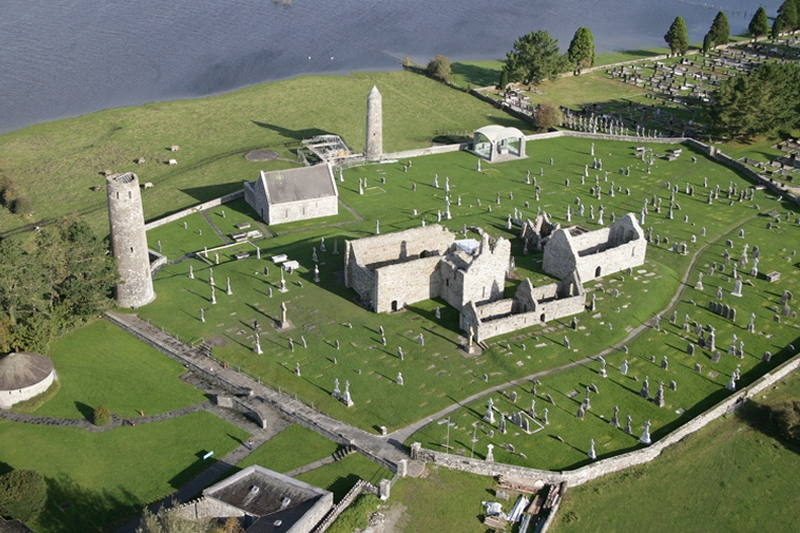
To see how the Ó Gamhna clan territories, the Falleens holdings, and the family dispersal fit together on the landscape of Connacht, visit the Gaffney Clan Lands Map. This interactive map layers medieval dynastic territory, the Ó Gamhna sept zone, Griffith's Valuation plots, and modern landmarks—showing the continuity of Gaffney settlement across the centuries.
The Family Tree documents the Falleens brothers and their descendants, while the Research Notes contain detailed source documentation for every record cited in this history.