The Cassidy Story
Teachers & Farmers of East Mayo
In the townlands of Charlestown and Carracastle, in east County Mayo, two unrelated Cassidy families lived in the Diocese of Achonry in the 19th century. One produced National Teachers and scholars. The other were tenant farmers whose sons fought for Irish independence. When Philip “Finny” Francis Cassidy and Margaret Mary “Peggy” Cassidy married in Cincinnati in 1929, they joined two lines separated by profession and circumstance, but united by the same small corner of Ireland and the same yearning for opportunity across the Atlantic.
Two Families, One Name
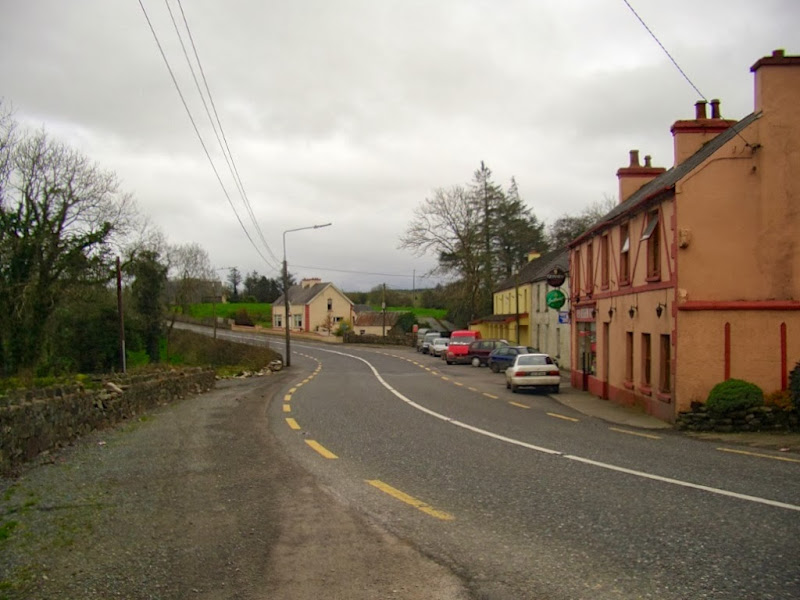
One of the most intriguing discoveries in the Cassidy family research is the existence of two distinct Cassidy families living in the same townlands of east Mayo in the late 19th century. Both lived in the Diocese of Achonry — both appear in parish records and civil registers. Yet for many years, it seemed impossible to trace how they were connected, if at all.
Philip's family — John Cassidy and Annie Doherty — were educated professionals. Both were National Teachers, which in Ireland meant they had formal training, relative prosperity, and standing in their communities. Their household in Glenmullynaha West in 1911 included nine children, most of them scholars, plus a domestic servant — a marker of middle-class status.
Peggy's family — Patrick Cassidy and Bridget Kilgallon — were tenant farmers working modest holdings in Bullaun, a townland in Kilbeagh DED. Their children would include IRA volunteers who fought in the War of Independence. Yet both families occupied adjacent plots in Puntabeg according to Griffith's Valuation, and both emerge from the same townlands.
The evidence suggests these families may have been distantly related, but no single record has yet proven the connection. What we know is that their stories are woven into the same fabric of east Mayo's small communities — and that their descendants would eventually marry and merge the two lines.
The National Teachers — Philip's Line
John Cassidy, born around 1864 in County Mayo, was a schoolmaster. His wife, Annie Doherty (b. ~1869), was also a trained teacher — itself remarkable for a woman of her generation. In the 1901 census, they lived in Cashelduff in Cloonmore DED with seven children. By 1911, they had relocated to Glenmullynaha West in Kilbeagh DED, their household now expanded to nine children, a domestic servant, and—both John and Annie still teaching.
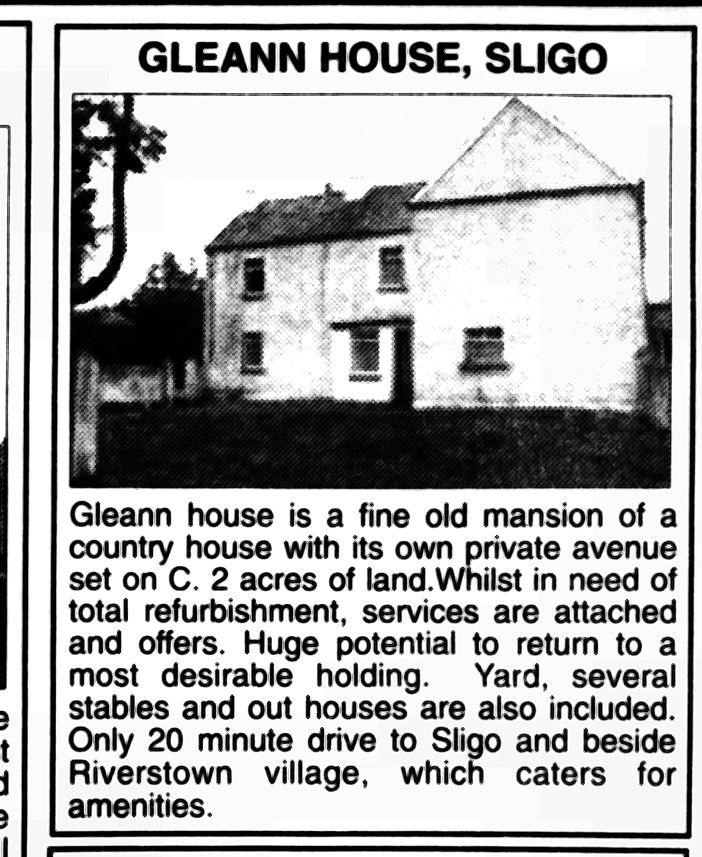
The couple's occupations marked them as educated members of their community. John spoke both Irish and English; Annie was similarly bilingual. Their home, which would come to be known as "Gleann House" (after Glenmullynaha), became a place of learning and stability in Charlestown.
Gleann House: The Family Home
"Gleann House" was the Cassidy family name for their home in Charlestown. The name persists in family records through the 20th century. In 1931, their son Eddie Bernard Cassidy was involved in a motor accident lawsuit and was identified in the Roscommon Herald as "Bernard Cassidy, of Gleann House, Charlestown, Co. Mayo." The house itself, like so much of rural Ireland, has likely vanished, but the name preserves the memory of the place where nine children were raised and educated.
John & Annie's Children
The couple had at least nine children, several of whom we can identify from census returns and civil records:
The eldest son. He was age 9 in the 1901 census, listed as a Scholar in Cashelduff. By 1911, when he would have been around 19, he is absent from the household. Like so many eldest sons of his generation, Pat almost certainly emigrated, following the pattern set by his siblings. His destination remains unknown.
Listed as a Scholar in both 1901 and 1911. Present in the 1911 census at age 18.
Listed as a Scholar in 1901 and 1911 censuses.
The second John. He followed his father into the teaching profession, becoming a schoolmaster in Charlestown. On 20 August 1928, he married Mary Gallagher at Swinford Roman Catholic Church. Mary was the daughter of John Gallagher, a merchant of Swinford. The wedding officiant was Rev. Edward Gallagher, Mary's uncle, who would later become Canon Eddie Gallagher.
John and Mary had a son born in 1933: Archbishop Joseph Cassidy, who became Archbishop of Tuam from 1987 to 2007 — making him one of the most prominent members of the extended Cassidy family. Through this line, the humble schoolmaster family of Charlestown connected to the highest levels of the Irish Catholic Church.
The namesake of the Cassidy story — and Meghan's great-great-grandfather. See section below.
Listed as a Scholar in the 1911 census, age 9.
Listed as a Scholar in the 1911 census, age 7.
Listed as an Infant in the 1911 census, age 4.
The youngest. Listed as Infant in 1911, age 1. Eddie Bernard (often called Bernard) witnessed his brother John Jr.'s wedding in 1928. In January 1931, he became the public face of the family when he sued George Mulcahey, a Carramore stationmaster, for damages from a motor accident. The Roscommon Herald identified him as "Bernard Cassidy, of Gleann House, Charlestown, Co. Mayo," anchoring the family home to the historical record.
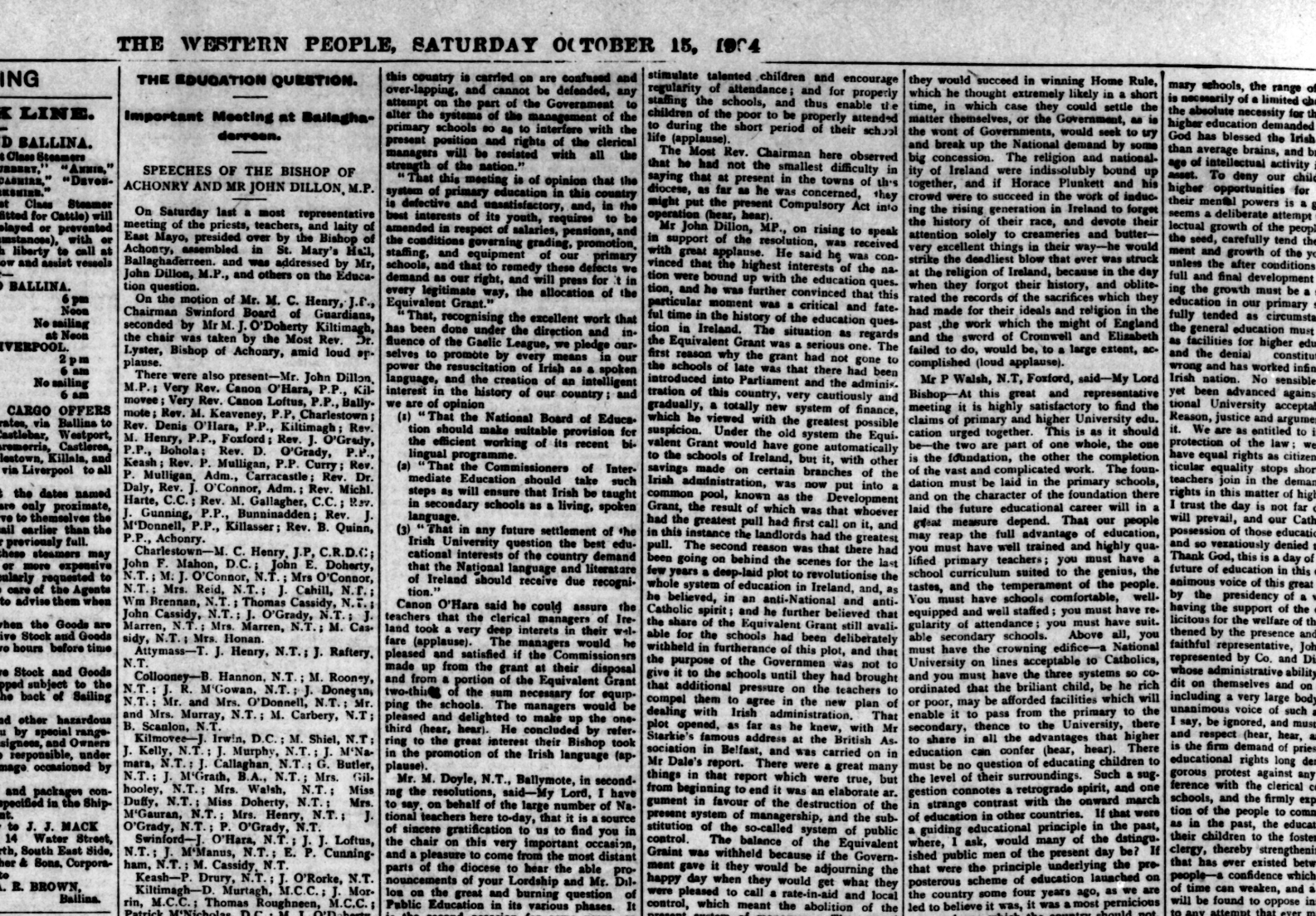
John Cassidy wasn't simply a teacher in a schoolhouse — he was part of a national movement. In October 1904, he attended a gathering of priests, teachers, and laity at St. Mary's Hall, Ballaghaderreen, presided over by the Bishop of Achonry, to address "The Education Question." Three years later, he appeared at a National Teachers' Association meeting reported in the Sligo Champion. These were the people fighting for better school funding, bilingual education, and teacher pay at a time when Ireland's primary schools were chronically underfunded.
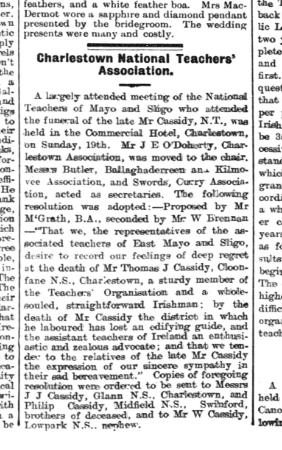
Both John and Annie — two National Teachers in the same household — were raising nine children on those wages while advocating for reform. It was this world of education and public engagement that shaped their children's futures.
Philip “Finny” Francis Cassidy — From Charlestown to America
Philip “Finny” Francis Cassidy was born on 16 March 1900 in Carracastle, the son of John Cassidy and Annie Doherty. By age 1, he was living with his family in Cashelduff (1901 census). At age 11, he was a Scholar at Glenmullynaha West (1911 census), seemingly following the same path as his siblings toward education.
But Philip chose a different direction. Between 1915 and 1920 — dates we cannot pinpoint exactly from surviving records — he emigrated from Ireland to England, settling in Birmingham, Warwickshire. Unlike travel to America, which generated passenger manifests, the journey from Ireland to England in these years left no bureaucratic trail. The Irish Free State would not exist until 1922; until then, Ireland and England were part of the same political unit, and ordinary people moved between them without immigration controls.
On 10 March 1925, Philip sailed from Liverpool on the SS Celtic (a White Star Line vessel) to New York. He was 24 years old, embarking on the transatlantic journey that so many young Irish men and women made in these years. He landed in America with the clothes on his back and the names of people to contact — a common pattern in chain migration.
Just four months later, on 14 July 1925, Philip filed his first Declaration of Intention to become a U.S. citizen — not in New York, but in Chicago, Illinois. This tells us he moved inland quickly, following the jobs and networks that connected Irish immigrants across the Midwest.
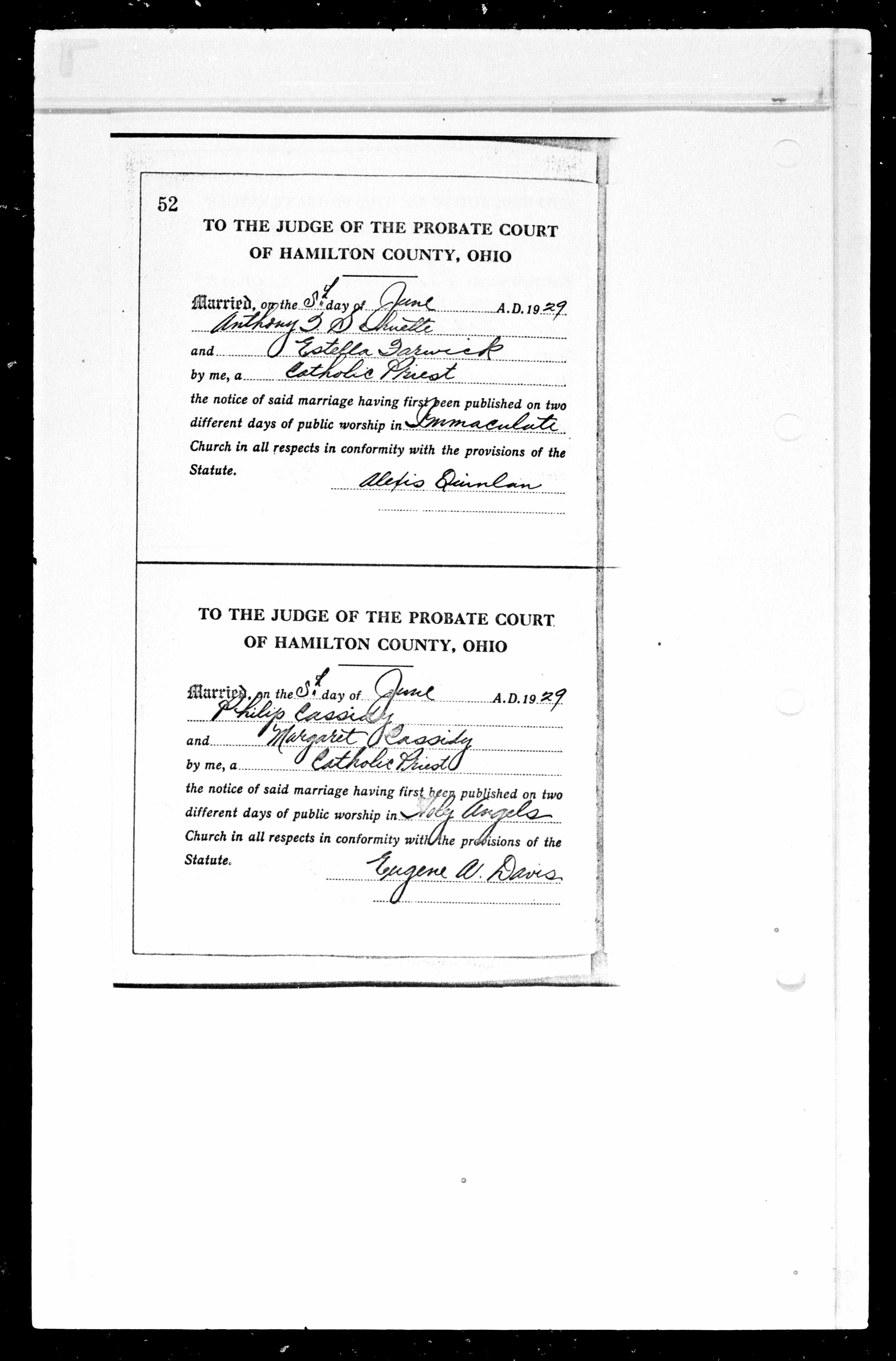
Four years after arriving in America, on 5 June 1929, Philip married Margaret Mary "Peggy" Cassidy in Cincinnati, Ohio. Peggy was not a distant cousin, but a woman from the same small corner of east Mayo that Philip had left behind. She had arrived in America just a few months before him. (See Peggy's story below.)
By 1935, Philip was working as a foundry worker in Toledo, Ohio, where his daughter Mary Theresa had been born on 21 May 1930. The young family of three moved between Ohio cities as Philip found work. On 18 March 1935, Philip was naturalized as a U.S. citizen at the U.S. District Court in Toledo. According to his naturalization papers, he was 5'6", weighed 145 pounds, had dark brown hair and blue eyes, and a fair complexion. His nationality was listed as "British," a reflection of his four years in England — but his race was listed as "Irish," the identity that mattered most to him.
Philip died in 1943, just eight years after becoming a U.S. citizen. His daughter Mary married and had children of her own, continuing the line that leads to Meghan Gaffney herself.
The Farmers & Fighters — Peggy's Line
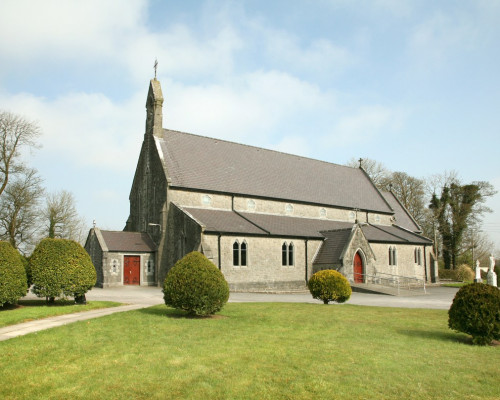
While John Cassidy and Annie Doherty were building their teacher's household in Glenmullynaha West, another Cassidy family — that of Patrick Cassidy (b. ~1841) and Bridget Kilgallon (b. ~1856) — was working the soil of a tenant farm in Bullaun, a townland in Kilbeagh DED.
Patrick and Bridget married on 13 March 1875 in the Kilbeagh/Charlestown parish, Diocese of Achonry. Over the next 25 years, they had eleven children — a large family for a tenant farmer, but not uncommon in 19th-century Ireland. These children would grow up during the Land War, the Famine's aftermath, and the transformation of rural Irish society. Several of them would fight for Irish independence.
Patrick's Roots — A Farmer's Family
Patrick Cassidy's own father, also named Patrick Cassidy Sr. (b. ~1808), was a farmer in the Kilkelly area of east Mayo. Patrick Sr. died on 22 May 1873 at age 65, with his death certified by medical examination due to "disease of the liver." His son Patrick (our Patrick) was the informant on the death record, living at that time in Coolnaha, a townland in Aghamore civil parish, about 10 kilometers south of Charlestown.
Who was Patrick Sr.'s wife? We have two candidates from parish marriage records, both found in the Kilmovee RC parish (which includes Kilkelly):
Candidate 1: Patrick Cassidy & Honor Brett, married 1 May 1831, Kilmovee Church. Witnesses: Hugh Brett, Mary Griffin. Timing fits for having a son born ~1841.
Candidate 2: Patrick Cassidy & Bridget Sheil, married 13 Jan 1845, Kilmovee Chapel. Witnesses: James Cassidy, Anne Towhy. Patrick would be age 37; this could be a second marriage if Honor died.
Further research is needed to determine which of these women was our Patrick's mother — or whether Patrick Sr. married twice, making the Sheil family his step-relatives.
Patrick & Bridget's Eleven Children
The children of Patrick and Bridget Kilgallon represent the full span of rural Irish experience in the late 19th century: scholars, farmers, laborers, and soldiers. Below is the complete list, compiled from RootsIreland parish records and civil registration:
| # | Name | Born | Record Type | Notes |
|---|---|---|---|---|
| 1 | Thomas | 18 Jan 1876 | Civil & Baptism | First child. Barnalyra Company, IRA. |
| 2 | Martin | 30 Oct 1879 | Civil Birth | Emigrated to Cincinnati, 1903 (SS Umbria). |
| 3 | Mary | 9 Dec 1881 | Civil & Baptism | Baptized Carracastle, witnesses Michael & Catherine Cassidy. |
| 4 | Bridget Agnes | 21 Jan 1884 | Civil & Baptism | Baptized Carracastle, witness Philip Cassidy. |
| 5 | Catherine | 6 Jan 1886 | Civil Birth | Emigrated to Cincinnati. Married Edward M. Brophy, 27 Jan 1915. |
| 6 | Peter Francis | 6 Feb 1888 | Civil & Baptism | Emigrated to Cincinnati, 1906 (SS Oceanic). WWI Draft registration, Cincinnati. |
| 7 | Patrick Jr. | 4 Jul 1890 | Civil & Baptism | Carracastle Company, IRA. 3 major operations including Tullyhill ambush. |
| 8 | Michael | 11 Sep 1892 | Baptism | Carracastle Company, IRA. Palmfield. |
| 9 | Pat (2nd) | 25 Aug 1895 | Baptism | Second child named Patrick — first one (1890) likely lived. Different child or naming error? |
| 10 | James (Jim) | ~Nov 1895 | Confirmation | Confirmed 24 Apr 1909, St. James' Church, Charlestown, age 14. 1911 census: age 16. |
| 11 | Margaret "Peggy" | 26 Jul 1900 | Civil & Baptism | Married Philip “Finny” Francis Cassidy, Cincinnati, 1929. |
The Witness Analysis — A Key to Connection?
One of the most intriguing clues about the relationship between the two Cassidy families appears in the baptism witness lists. At the baptism of Patrick Jr. on 6 July 1890, the witness is listed as "John Cassidy" — and most remarkably, the record notes that "John Cassidy present at the birth."
The Significance: If this is our John — the teacher of Cashelduff and Glenmullynaha — then we have our first direct documentary link between the two families. The baptism record of Patrick Jr. would be the smoking gun proving that at least some members of the two Cassidy families knew each other well enough for John to be present at a neighbor's birth.
The Caveat: Without an explicit statement of relationship, we cannot yet be certain. But the circumstantial evidence grows stronger.
Three Brothers in the IRA
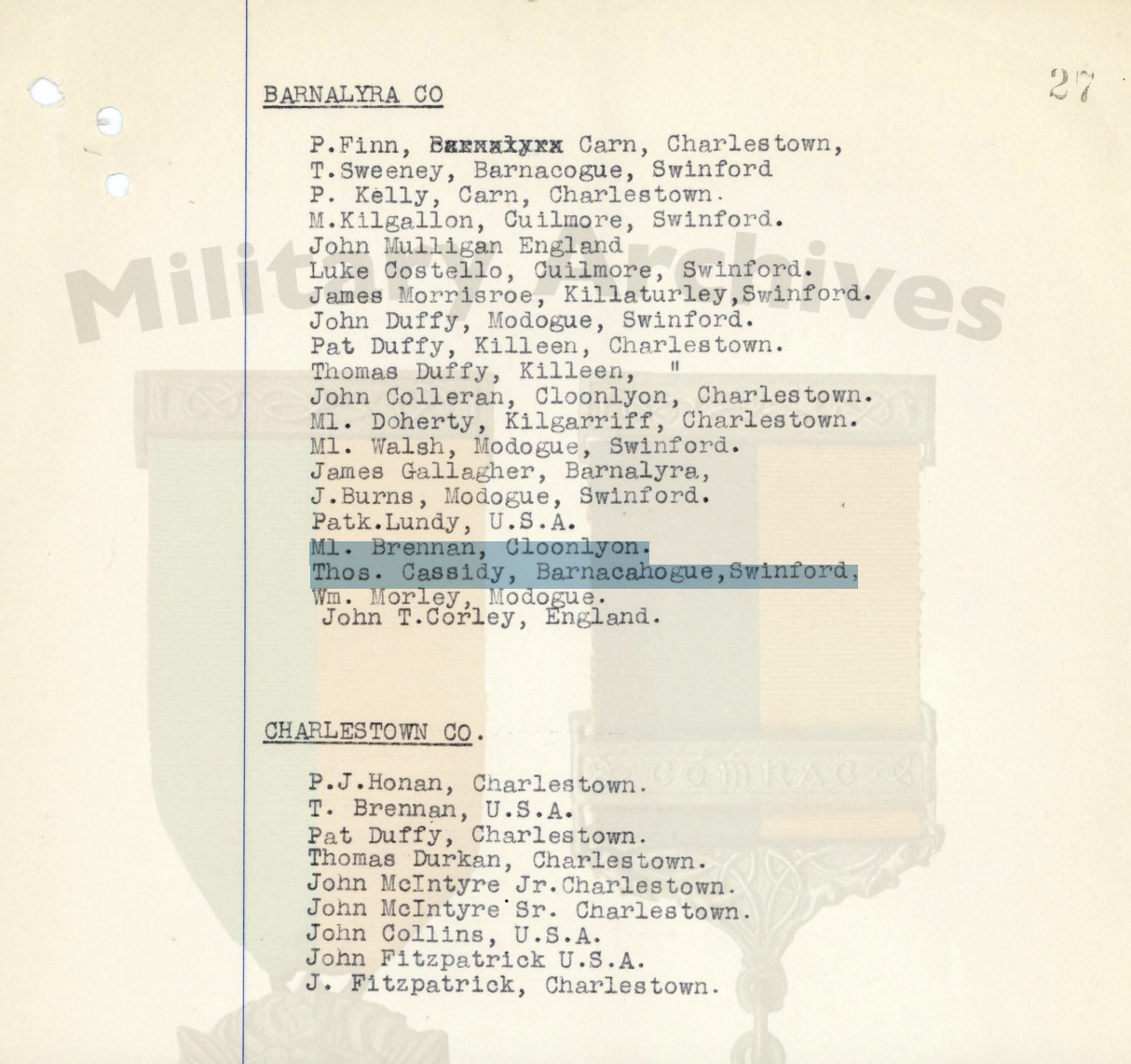
The east Mayo Brigade of the IRA during the War of Independence (1919–1921) was a disciplined, well-documented organization. Its surviving records (stored at the Military Archives, Dublin) include detailed reports of operations, membership rosters, and correspondence with the central leadership. In those records, the names of three Cassidy brothers appear.
The Three: Thomas, Patrick Jr., and Michael
Company: Barnalyra Company (1st Battalion, Swinford District)
Service Period: 1919–1922
Service records show Thomas as a company member responsible for duties in the Barnalyra area,
northeast of Charlestown. As the eldest Cassidy son, he was already 43 years old when the War
of Independence began — an unusual age for active service, but not unheard of. Older men often
took on logistical and local leadership roles.
See more at: The Fight for Ireland
Company: Carracastle Company (2nd Battalion, Carracastle District)
Address: Carracastle, Ballaghadereen
Operations: Three major actions on record:
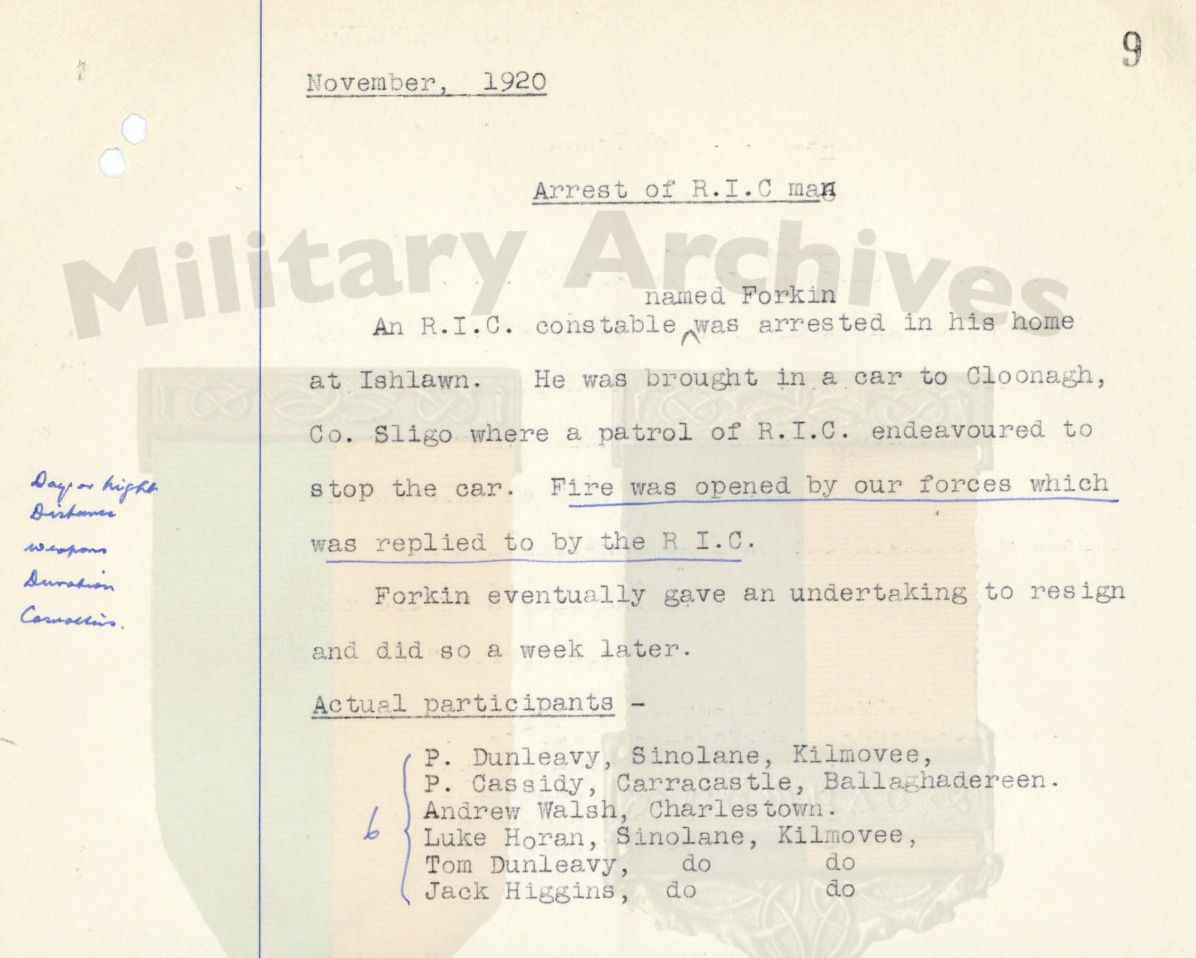
- Arrest of RIC Constable Forkin at Ishlawn, November 1920
- Mine party under fire, barracks attack
- Ambush at Tullyhill, Carracastle — A major action involving 20 minutes of heavy fire against 4–5 lorries of British military. The road was trenched (barricaded) in preparation for the ambush.
Patrick Jr. was 30 years old in 1920, a farmer's son of working age. His participation in three documented operations makes him one of the most active IRA men from the Charlestown area we can identify by name.
See more at: The Fight for Ireland
Company: Carracastle Company (2nd Battalion)
Address: Palmfield
Role: Listed as a company member responsible for duties in his area
Michael served alongside his brother Patrick Jr. in the Carracastle Company.
He had relocated to Palmfield (still in the Carracastle area) by the time of his IRA service,
suggesting the family holdings may have expanded or shifted in the decade before the Rising.
See more at: The Fight for Ireland
The Cassidy-Kilgallon Network
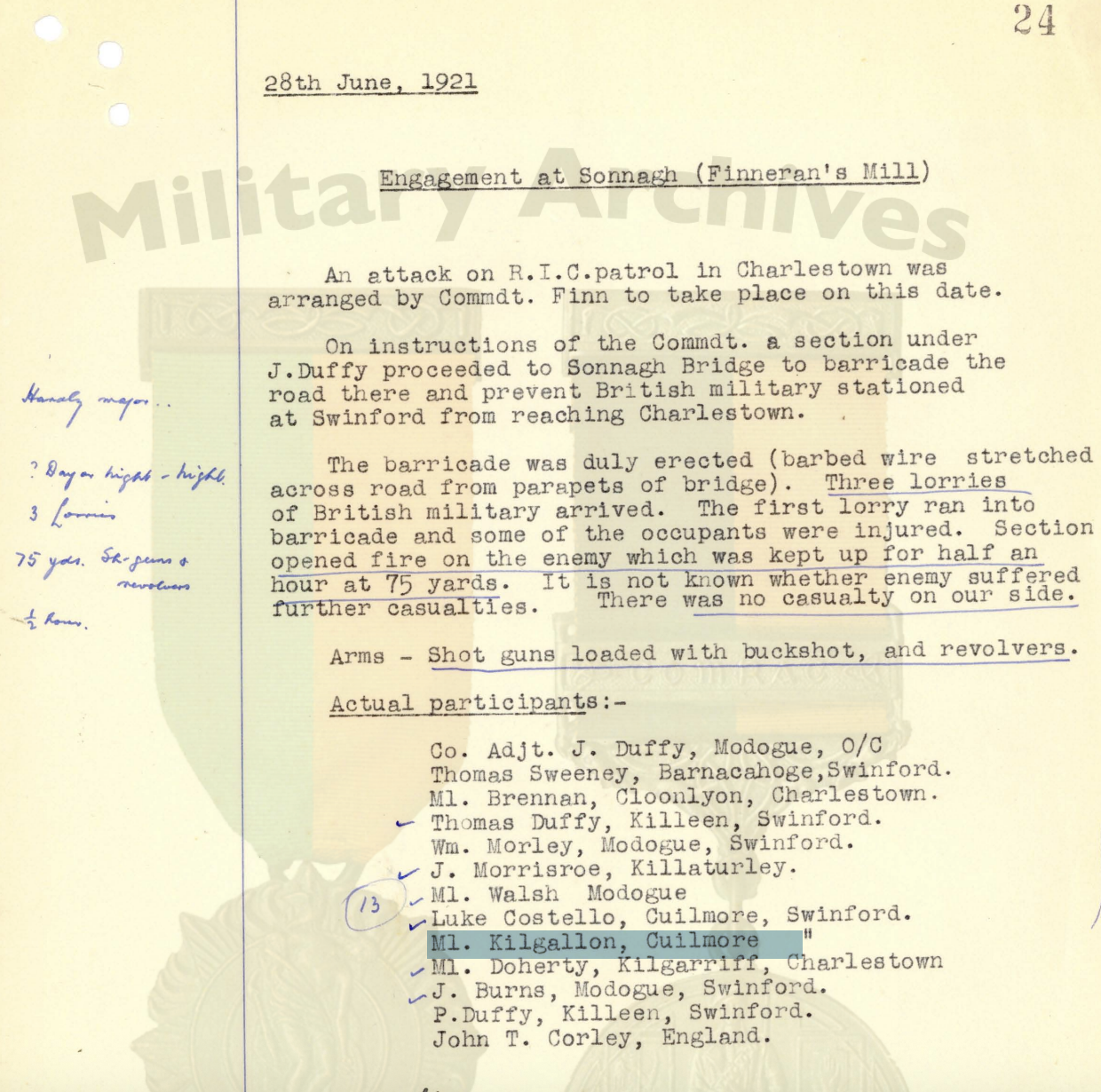
A striking detail emerges from the IRA records: M. Kilgallon of Cuilmore, Swinford appeared in at least two major operations, including the Sonnagh/Finneran's Mill engagement on 28 June 1921 (a half-hour firefight with an RIC patrol).
Cuilmore is the same townland where the Gaffney family held land (and where Patrick Gaffney of Cuilmore lived). More importantly, Kilgallon is the surname of Peggy's mother — Bridget Kilgallon. M. Kilgallon is almost certainly a relative of Bridget's, suggesting that the Cassidy and Kilgallon families were connected not only through marriage, but through shared involvement in the independence struggle.
A Web of Family Connections
The IRA records also name M. Doherty (Kilgarriff, Charlestown) — likely a relative of Annie Doherty
(Philip's mother). Multiple members named Duffy appear as sponsors in baptism records for Patrick &
Bridget's children, and Duffys appear in IRA operations. Bernard Mulligan appears in a mine party
with P. Cassidy — and Mulligan is listed on Ancestry as Annie Doherty's mother's maiden name.
Far from being isolated families, the Cassidys, Kilgallons, and related surnames appear as a
connected network bound by kinship, geography, and shared political commitment.
The Cincinnati Chain — Emigration Stories
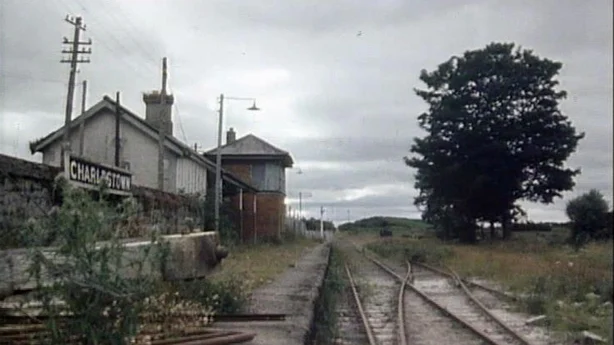
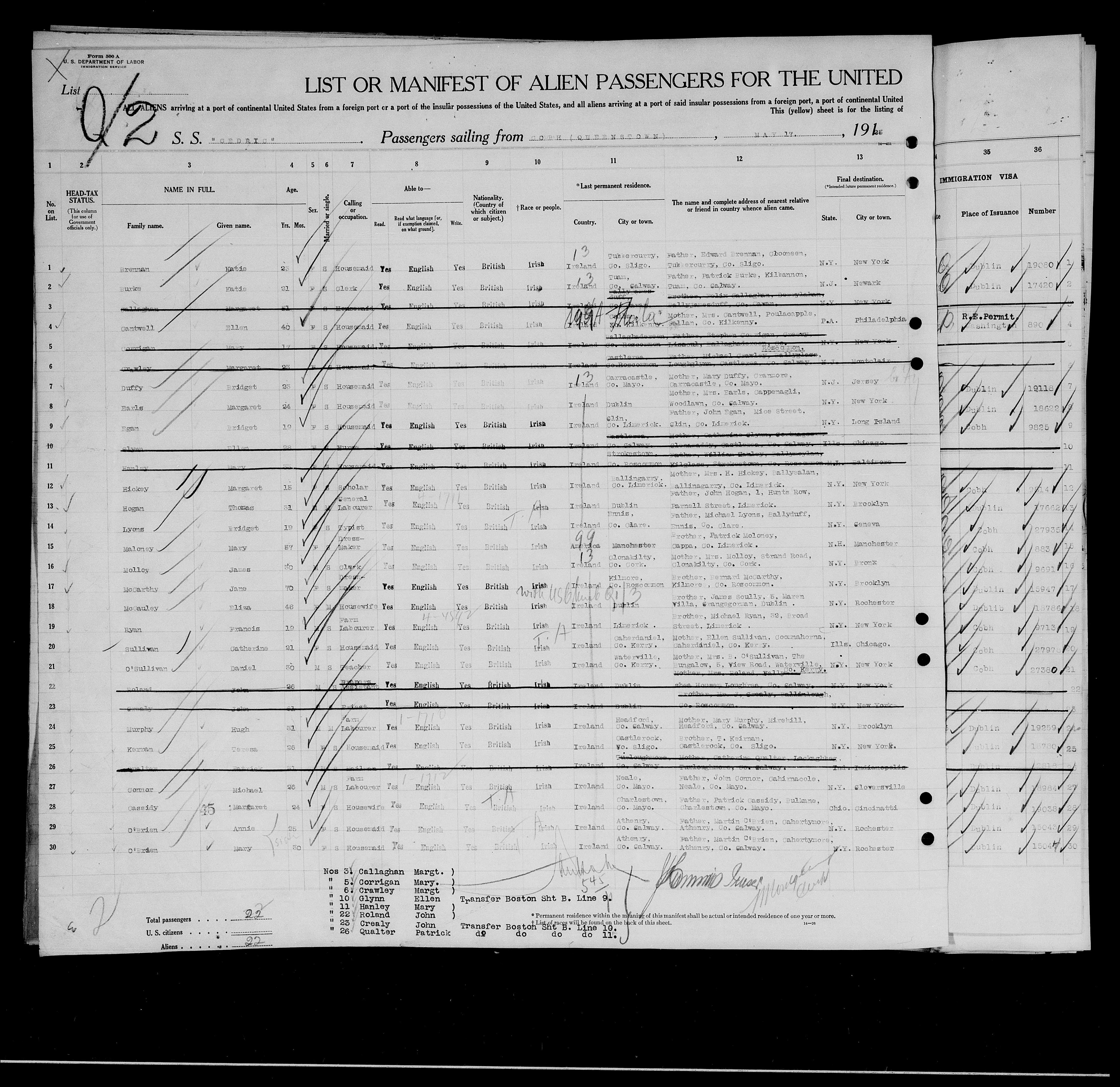
Like the Gaffneys before them, the Cassidys followed the classic Irish emigration pattern: the first went, established themselves, and sent word back. Siblings and cousins followed, settling near their relatives, boarding with established families, and slowly building a foothold in America.
The Timeline of Emigration
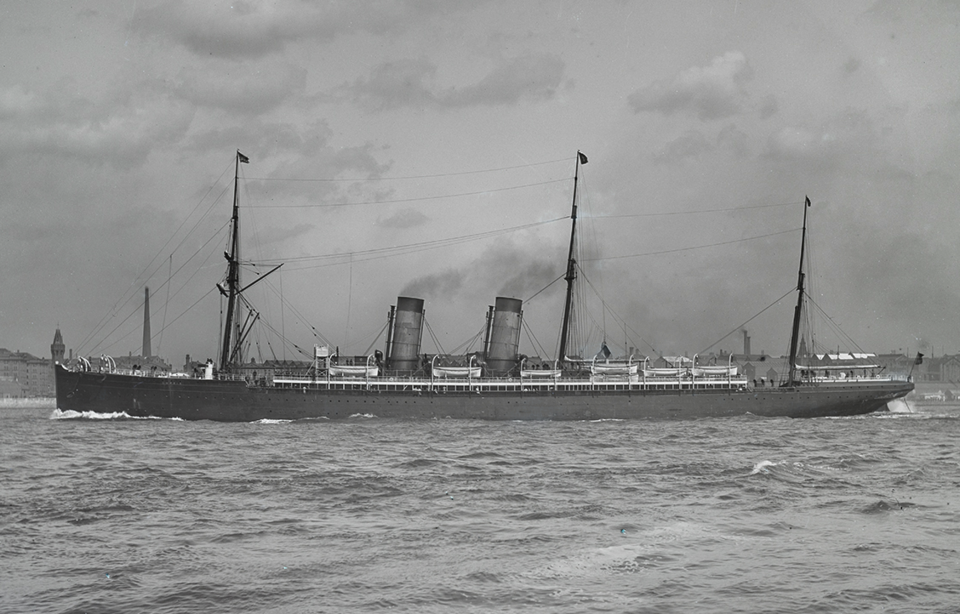
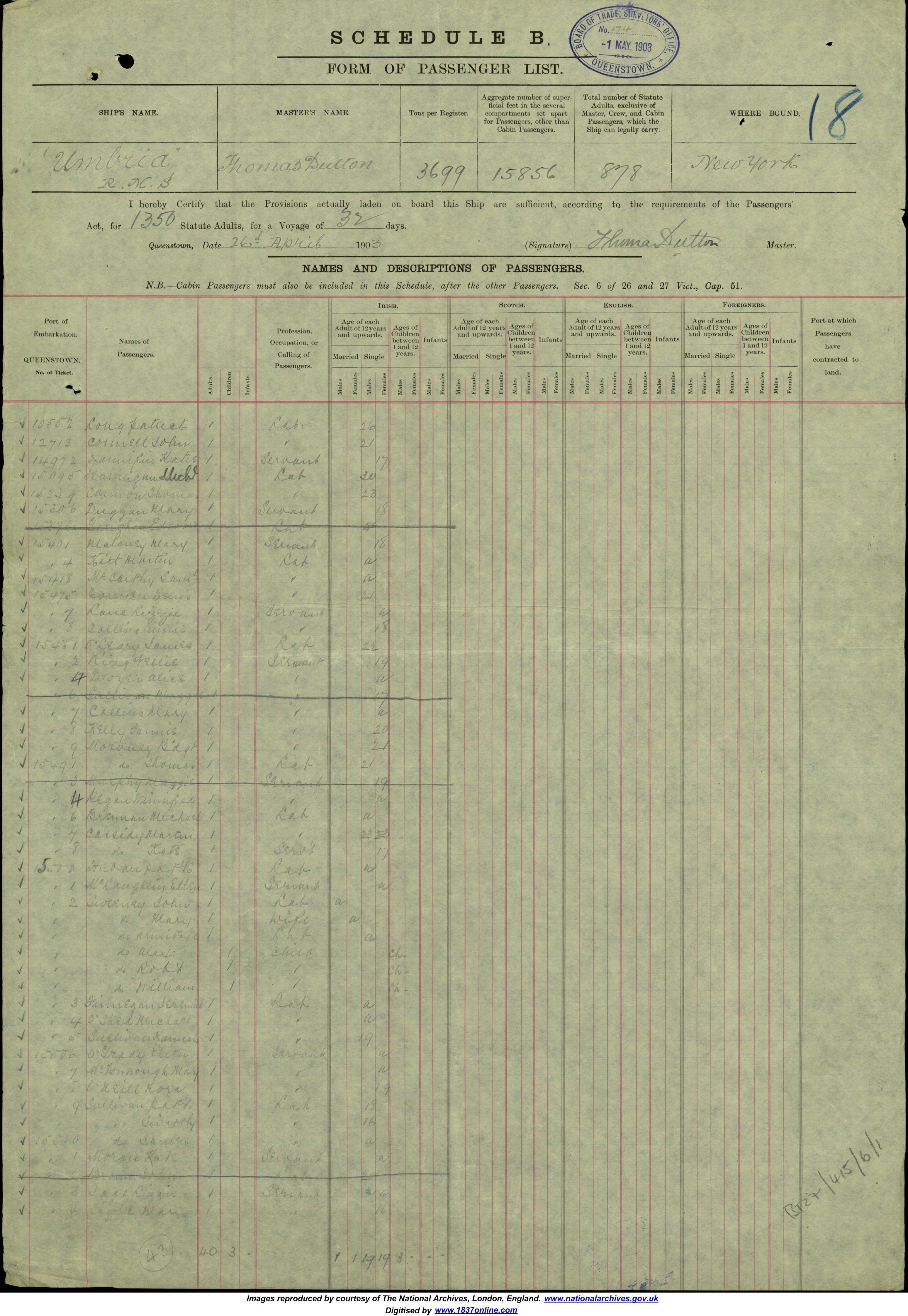

Peter worked in America and was drafted during World War I. His WWI Draft Registration Card (1917) shows him in Cincinnati, age 29, occupation not yet recorded, listed as single.
Peter's story, like that of Andrew Gaffney Jr., reminds us that emigration was not always permanent. Some men went to America, served, and returned. Others stayed and built lives. We do not yet know Peter's ultimate fate.
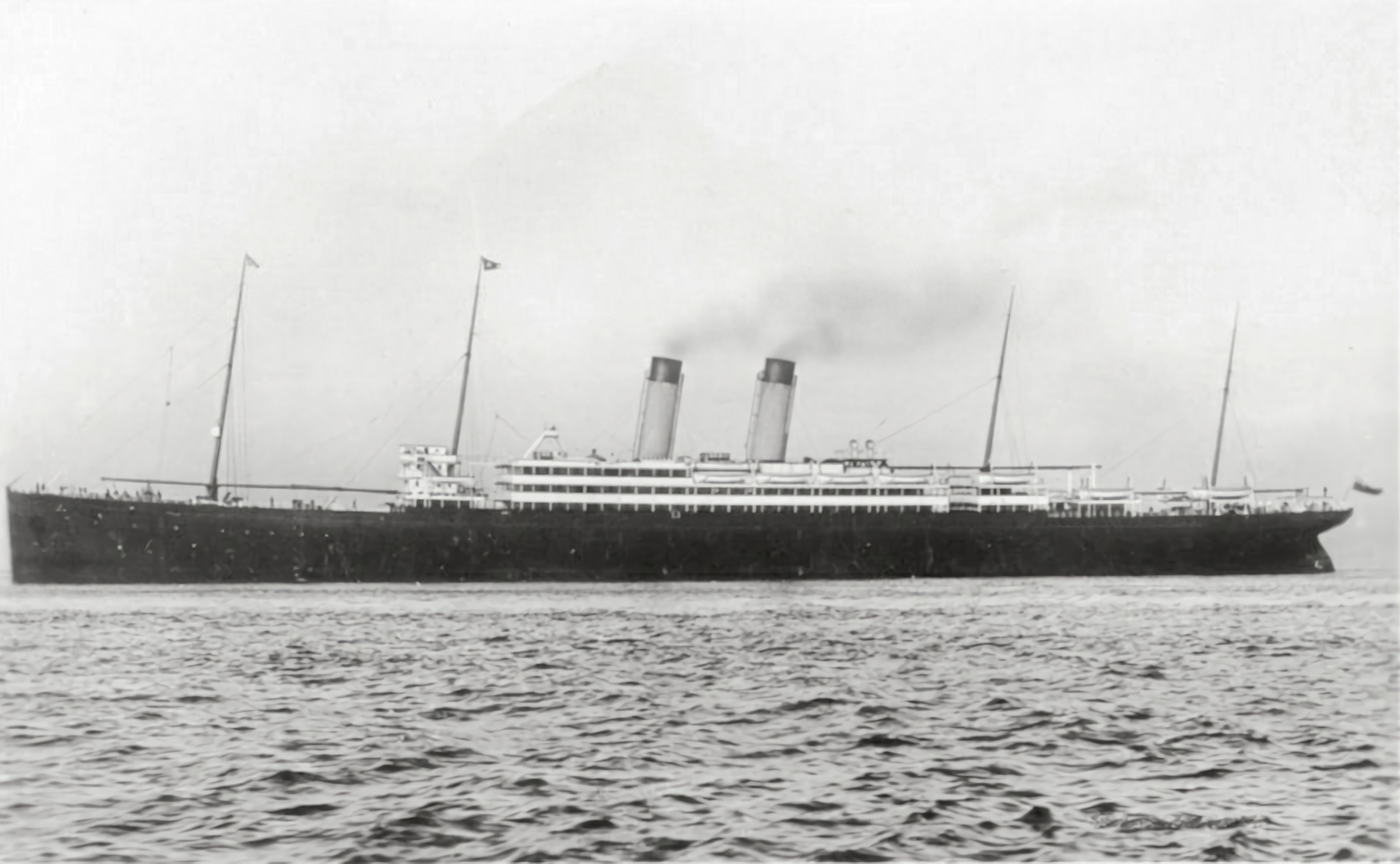
Important: Peggy was not found on Ellis Island because the indexing system captures her birthplace as "British" rather than "Ireland." This is a common issue with Irish emigrants who traveled through England before embarking to America.
Are the Two Families Connected?
The question lingers: were John Cassidy (the teacher) and Patrick Cassidy (the farmer) actually related? Or did they just happen to share a surname and live in neighboring townlands?
The Evidence For Connection
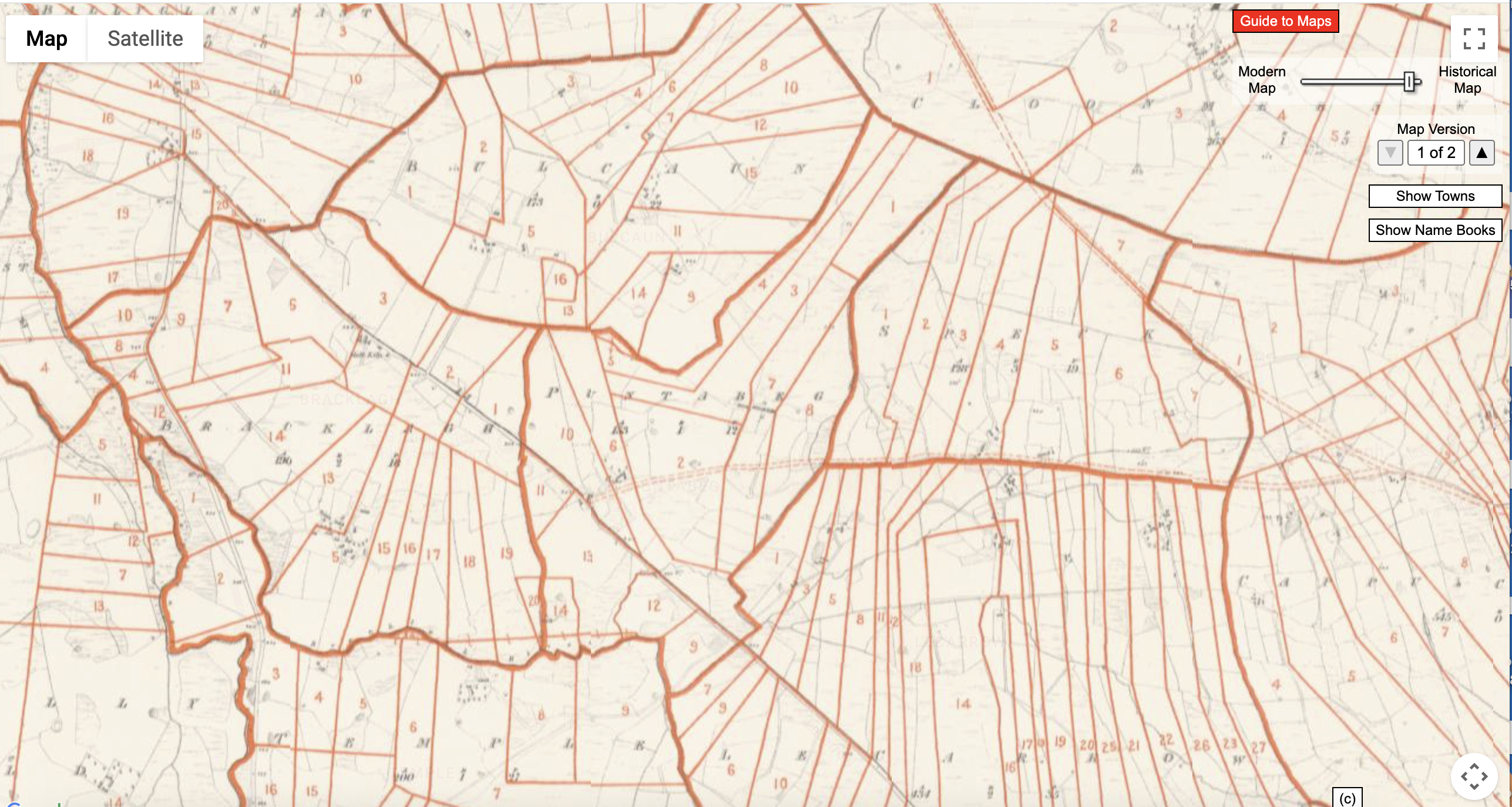
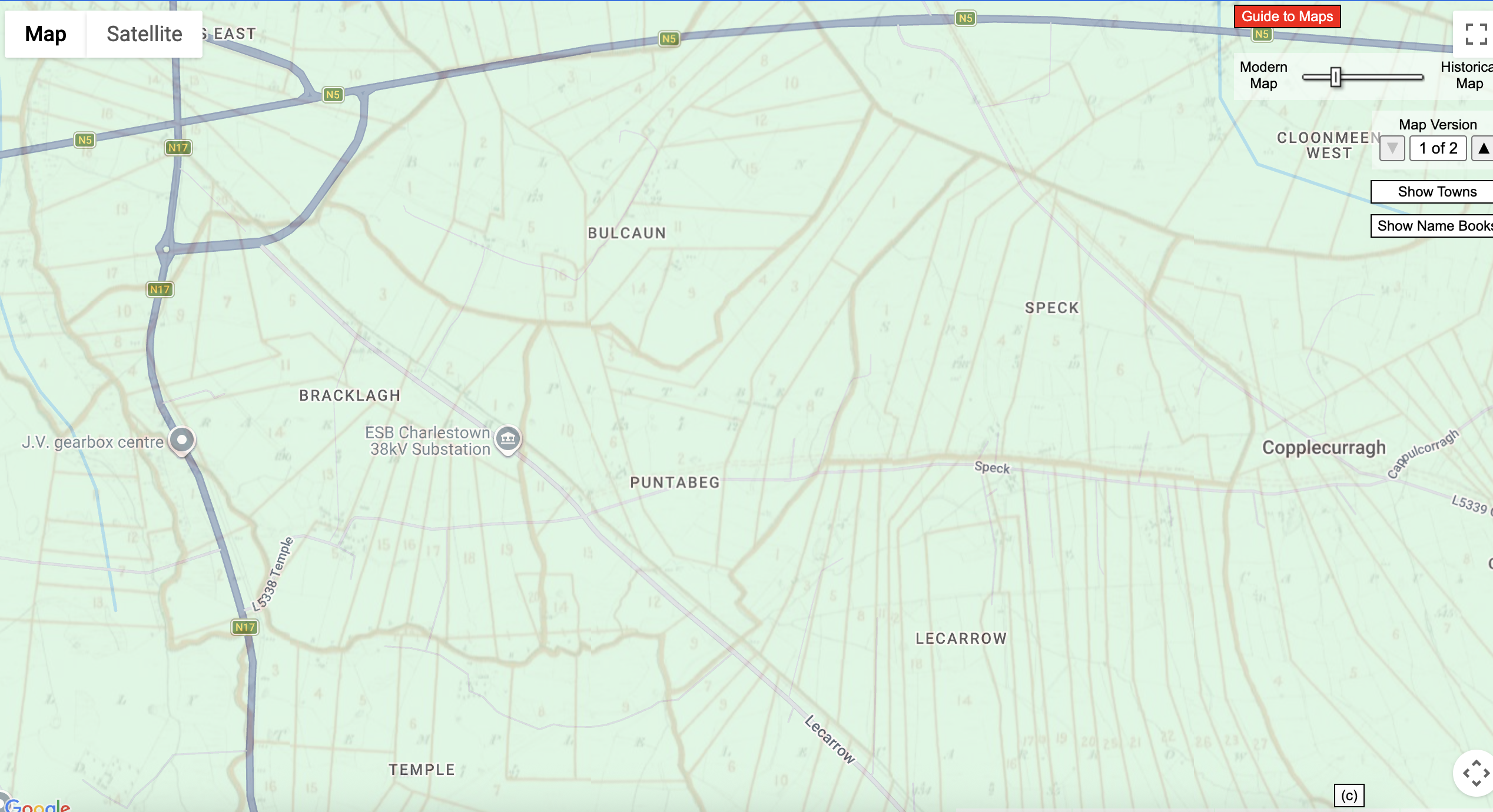
- Griffith's Valuation (1857): In Puntabeg, John Cassidy held Plot 3 (land, house, office; ~10 acres; valued £6 15s), and Patrick Cassidy held Plot 4 (land and house; ~19 acres; valued £4 15s). Two Cassidys with adjacent plots in the same townland — a pattern that strongly suggests family relationship.
- John Cassidy at Patrick Jr.'s Baptism (1890): The witness at Patrick Jr.'s baptism on 6 July 1890 is listed as "John Cassidy," and the record notes he was "present at the birth." If this is John the teacher (b. ~1864, age 26 in 1890), it speaks to close personal connection.
- Shared Geography: Both families came from the Charlestown/Carracastle area in the Diocese of Achonry. Both had holdings in the same townlands. Both emigrated to Cincinnati or nearby areas.
- Shared Contacts: The Scanlon family, with whom Martin and Peter Cassidy boarded in 1910, also appears in the Gaffney records — Margaret Scanlon married John Gaffney (Patrick's son) in 1891. The networks overlapped.
The Evidence Against Definite Connection
- No Explicit Record: We have no single document that explicitly states "John Cassidy and Patrick Cassidy were brothers" or "cousins" or even "relatives."
- Different Social Classes: The teacher's family and the farmer's family occupied noticeably different economic positions. Schoolmasters were educated professionals; tenant farmers were working the land. While such a gap did not prevent kinship, it might make it less likely in some cases.
- No Shared Baptism Records: We have not found baptism records for either John (the teacher) or Patrick (the farmer) that name their parents or siblings in ways that would confirm a direct relationship.
- Different Birth Dates: John (b. ~1864) and Patrick (b. ~1841) are approximately 23 years apart in age — too far to be brothers, but fitting for uncle-nephew or cousin relationships.
The Likely Conclusion
Based on the evidence to date, we believe the two families were distantly related — perhaps cousins or in-laws — and lived in the same small corner of Mayo where extended families often occupied neighboring townlands. They were connected enough that a schoolmaster would attend the birth of a farmer's son. But they were not so close that their relationship appears explicitly in the surviving records.
What we do know with certainty is this: Philip “Finny” Francis Cassidy married Margaret Mary “Peggy” Cassidy in Cincinnati in 1929. Two people from the same townlands, the same diocese, and the same moment in Irish history came together across the Atlantic. Whether they were distant cousins or just neighbors' children, they married and started a family that would eventually produce Meghan Gaffney, the researcher piecing this story together more than a century later.
The Archbishop's Uncle — How the Lines Connect to Modern Times
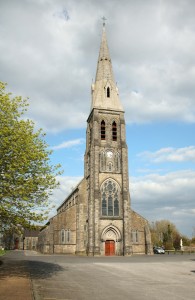
On 20 August 1928, John Cassidy Jr. married Mary Gallagher at Swinford Roman Catholic Church. The wedding was solemnized by Rev. Edward Gallagher, Mary's uncle. Five years later, in 1933, John and Mary's son was born: Joseph Cassidy.
That boy would grow up to become Archbishop Joseph Cassidy, Archbishop of Tuam from 1987 to 2007 — one of the most prominent members of the extended Cassidy-Gaffney family. He was the head of a major Irish diocese, overseeing hundreds of parishes and thousands of priests. He led the Church's response to major historical events, pastoral crises, and community issues in the west of Ireland.
Here's the connection that makes it personal: Archbishop Joseph Cassidy was Philip's nephew. Philip, the young man who left Charlestown for Birmingham and then America in the 1920s, was the brother of John Cassidy Jr. — the teacher who became the father of an archbishop.
And that makes Archbishop Joseph Cassidy Meghan's first cousin twice removed — a connection that traces back through the marriages, migrations, and choices made by ordinary people in the townlands of east Mayo in the late 19th and early 20th centuries.
A Remarkable Legacy
The Cassidy family — both lines, both branches — produced remarkable people. National Teachers who educated their communities. IRA volunteers who fought for independence. An archbishop who led one of Ireland's major dioceses. And ordinary emigrants who crossed the Atlantic, worked hard, and built families in America.
Today, more than a century later, their descendants research their stories, piece together the records, and honor the lives of people who came before.
Two Names, One Story
Philip “Finny” Francis Cassidy and Margaret Mary “Peggy” Cassidy married in Cincinnati on 5 June 1929. They came from the same townlands, the same diocese, the same small corner of County Mayo that had been home to the Cassidy name for generations. In a real sense, they married someone they might have known growing up — or at least known about through the networks that bound Irish communities together.
In the years that followed, Philip and Peggy had a daughter, Mary Theresa, born in Toledo in 1930. That daughter married and had children of her own. And through that line, the Cassidy name became part of Meghan Gaffney's inheritance — a woman researching her family's past, reading old records, and piecing together the stories of people she will never meet but from whom she descended.
The Cassidy story — two families, two paths, one name — is the story of ordinary Irish people living through extraordinary times. Teachers and farmers. IRA volunteers and laborers. People who worked the land, educated the young, fought for their country, and when opportunity called, crossed the Atlantic to build new lives.
Their records survive in parish registers and civil archives, in military files and census returns, in passenger manifests and naturalization papers. Those records tell us who they were. The task of research is to gather those fragments and reassemble them into something whole — a story that honors the lives they lived and the choices they made.