The Gaffney Story
Four Brothers in Falleens
In the heart of County Sligo, on the ancient lands of the Ó Gamhna sept, four brothers farmed adjacent plots in the small townland of Falleens. Their story spans a century of Irish history—from the quiet prosperity of the 1850s through famine and land war, to exile and survival. This is their journey.
The Brothers of Falleens
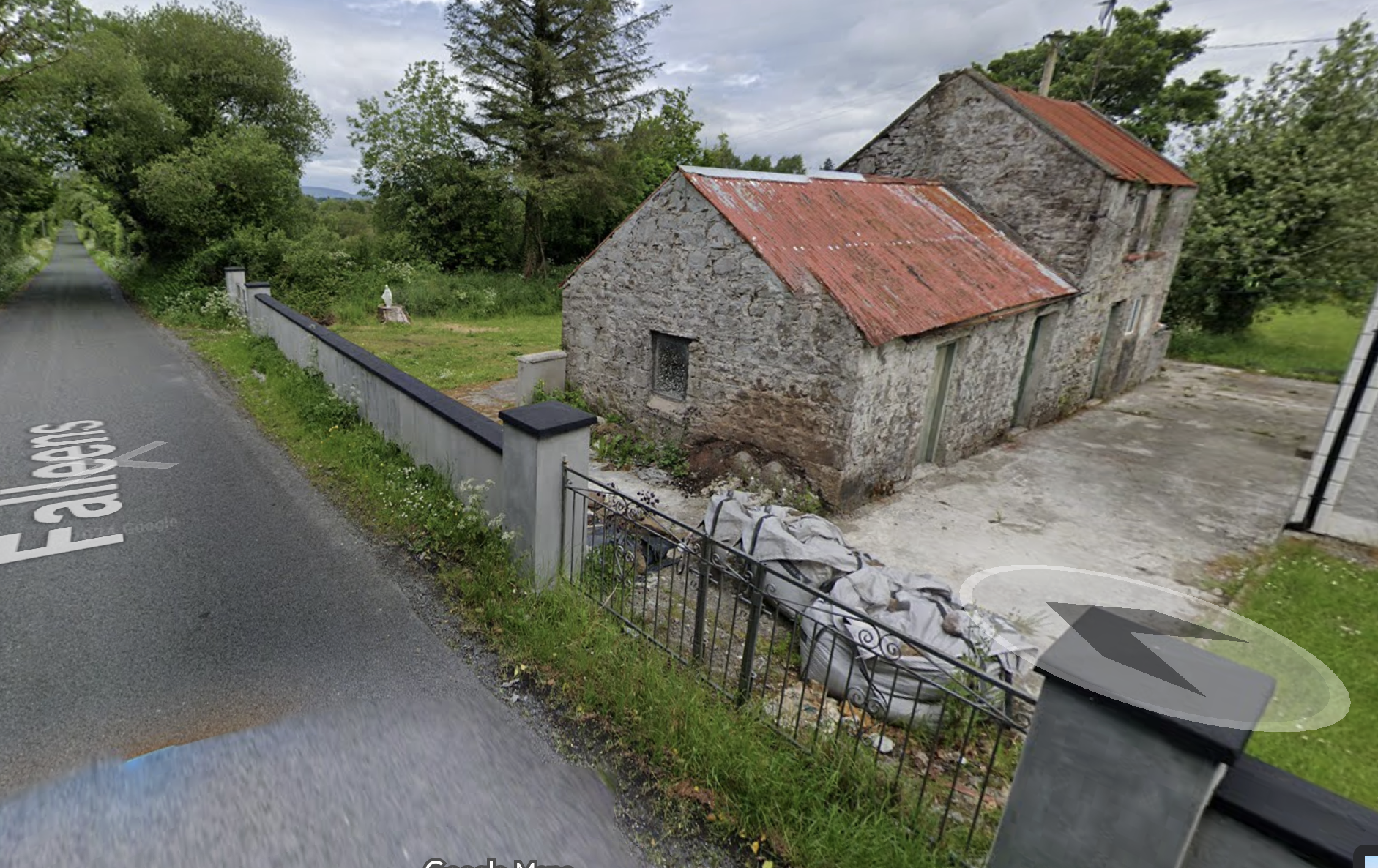
When the Irish Land Commission's officers conducted the Griffith's Valuation survey in the 1850s, they documented four brothers working adjacent plots in Falleens—a small townland in the Barony of Coolavin, County Sligo. These were not wealthy men. They were tenant farmers on the Balfe estate, a substantial but bankrupt property that would eventually pass through the Encumbered Estates Court. Yet what the civil records capture is the skeleton of something more: a family's attempt to prosper on land their ancestors had occupied for centuries.
The Griffith's Valuation (1850s)
Owen/John Gaffney (Falleens, 2 plots) | Patrick Gaffney (Cuilmore, 1 plot) | Andrew Gaffney (Falleens, shared plot) | Matthew Gaffney (Falleens, 1 plot)
The valuation shows plots 17, 18, 19, and 20 clustered around a farmstead junction. All held under "Patrick Balfe (Reps)" — the estate lessor. Total annual valuation: roughly £15–18.
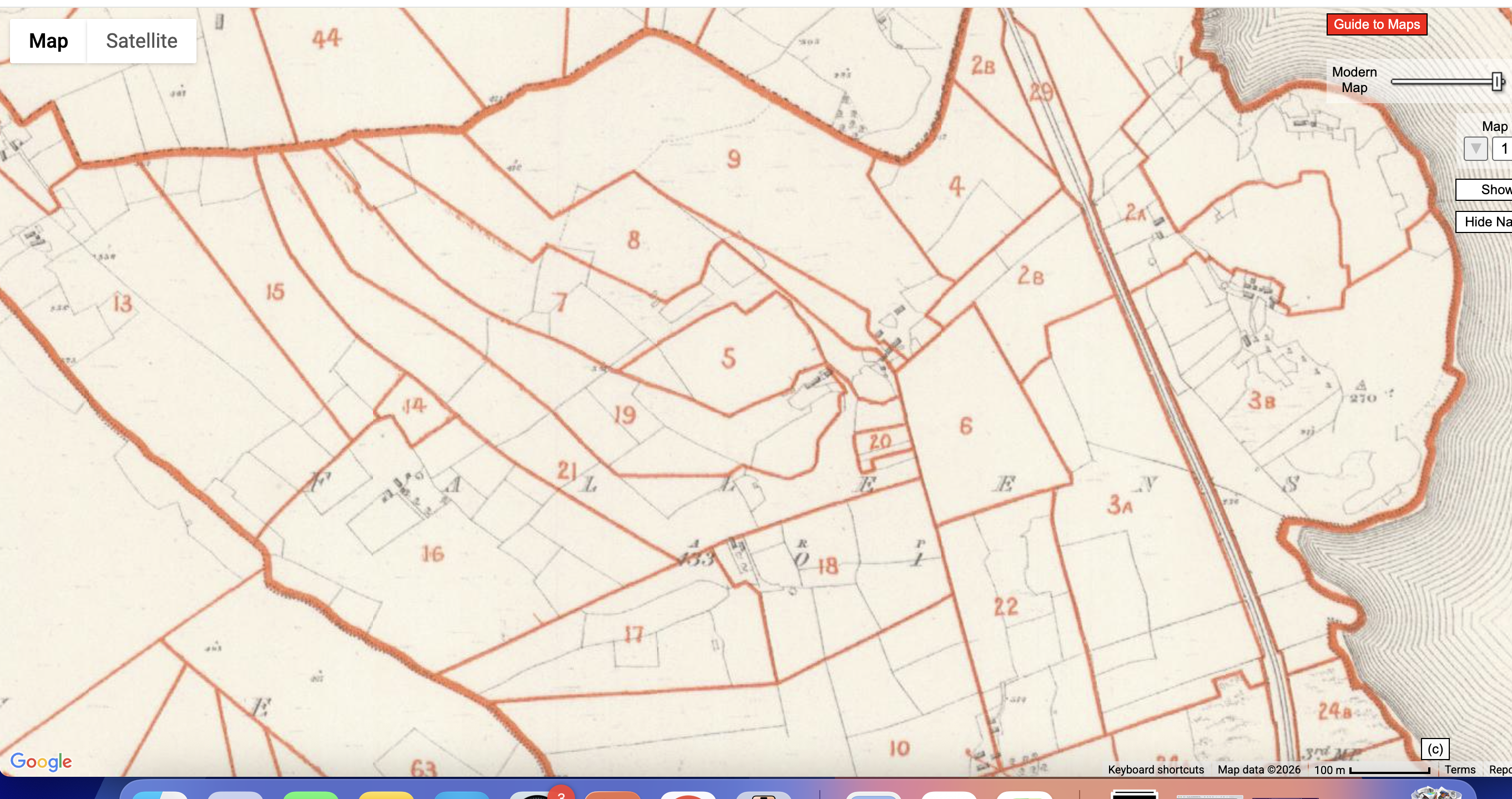
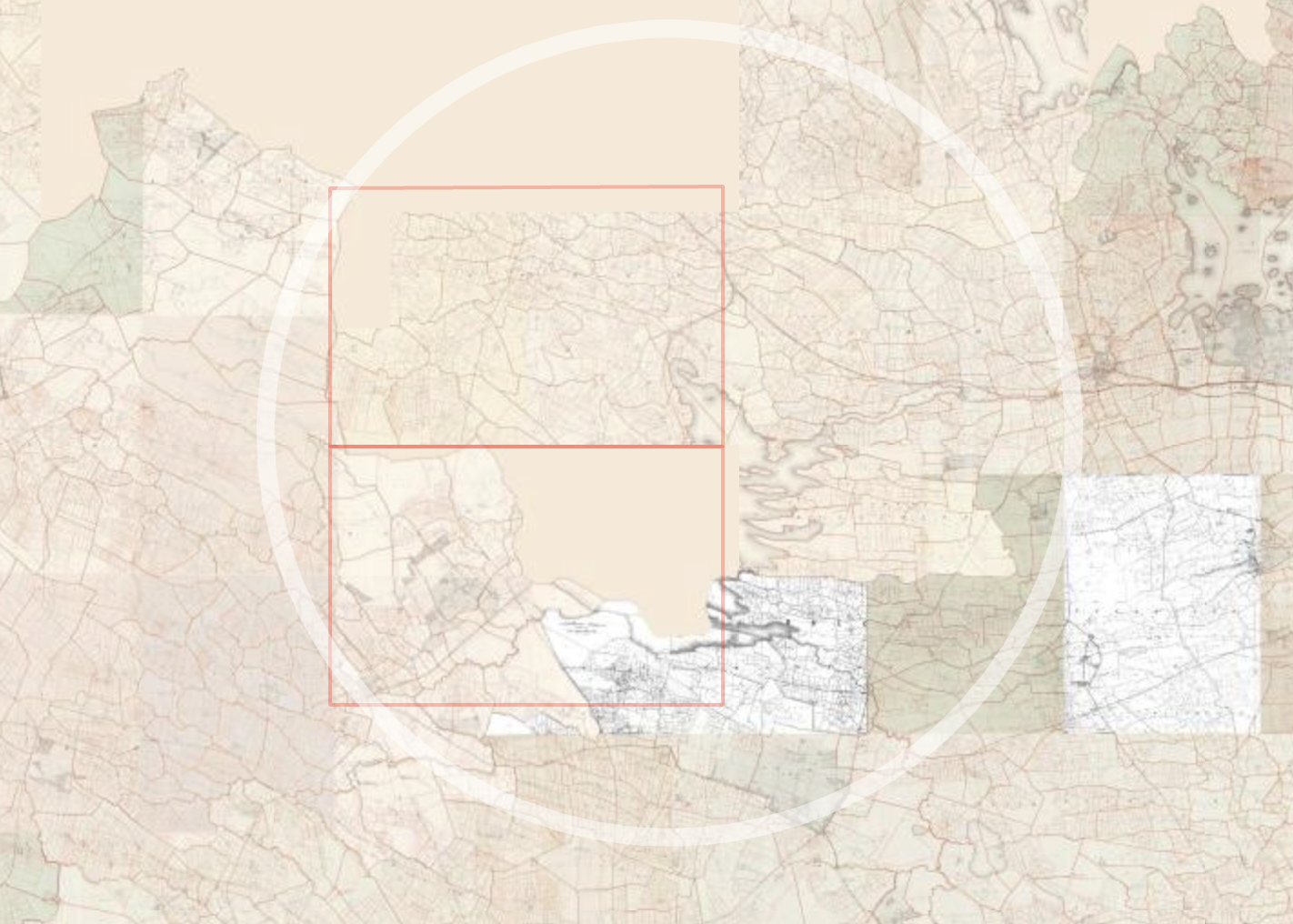
The brothers' names appear across the surviving records in various forms—Owen, John, Pat, Andrew, and Matthew. What emerges from careful examination of baptisms, marriages, and death records is a picture of four related men, bound by geography, kinship, and the shared burden of tenant farming in an unstable era. Some vanished from the records entirely. Others left traces of lives lived in America, in the merchant navy, and in the burgeoning towns of Leitrim and Roscommon.
The Balfe estate that bound them together would be sold piecemeal through the mid-1870s. By 1901, not a single Gaffney appeared in the census enumeration for Falleens. The brothers' children scattered—some to America, some deeper into Ireland, one to England and back. Yet their descendants would circle back: marrying into neighboring families, bearing witness to the Irish War of Independence, and eventually creating a GAA dynasty in Keash that would echo through the twentieth century.
Owen & Jane
The oldest of the brothers—or at least the one with the most substantial holding—appears in the Griffith's Valuation as "Owen Gaffney." Later parish records and his daughter's birth certificates identify him as "John" or "John Gaffney." Both are anglicizations of the Irish Eoin or Eoghan. For most of his life, he was likely known by one name within the family and another in the wider community.
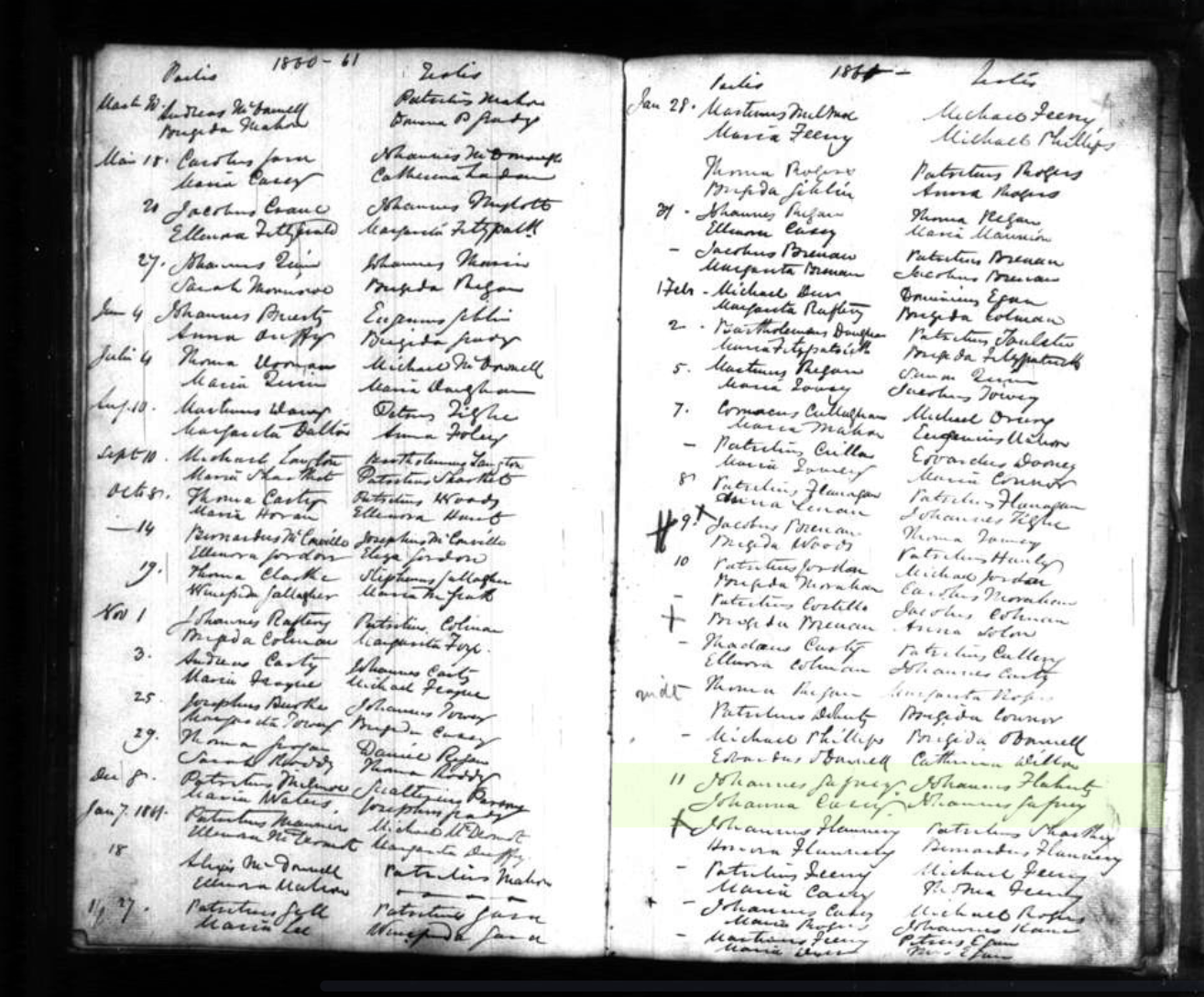
Around 1861, Owen/John married Jane Casey, a woman from the same townland. They wed on 11 February 1861 in Castlemore parish church, in a ceremony witnessed by John Flaherty and another John Gaffney (possibly his father or a brother). No civil marriage record exists—their union was recorded only in the parish register, as was common before civil marriage registration became mandatory in 1864.
From their union came at least six children. Civil and parish records capture fragments of their lives: their son John was born around 1867 or 1868 and would eventually enter the Royal Irish Constabulary, serving from 1886 until his dismissal in 1893. A daughter Mary married John McLoughlin on 18 February 1895, with her father Owen/John named in the record as her father and her sister Rose serving as witness. Another daughter, Ellen "Nellie", was born around 1872. A son John Jr. came into the world on 8 January 1874, likely in Falleens itself.
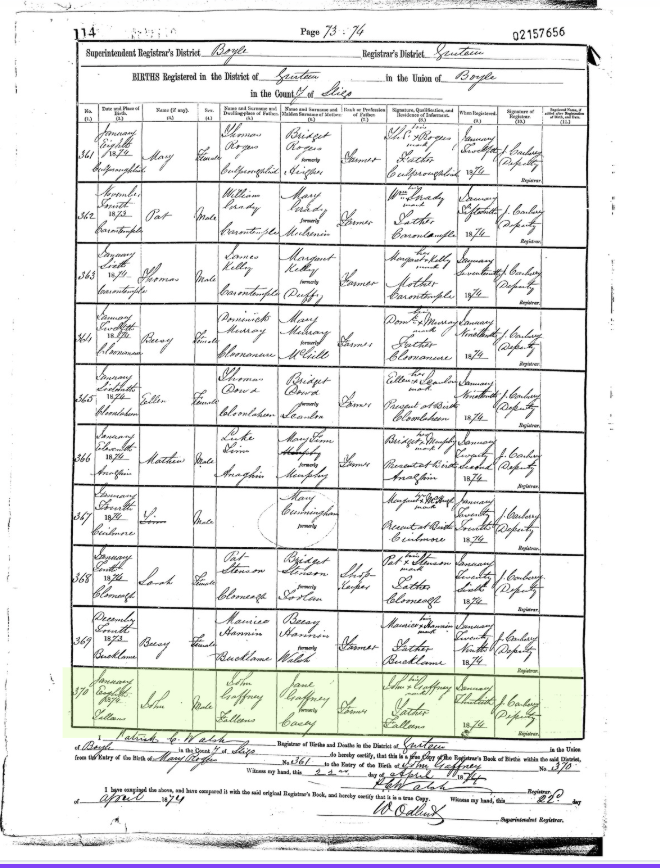
This younger John Jr. would become the catalyst for much of the family research. He emigrated to Cincinnati, Ohio, around 1889—at the age of about fifteen—and there married and settled, eventually becoming a natural citizen of the United States. His descendants would carry his story forward, preserving fragments of memory that would, more than a century later, spark a genealogical quest across continents and through dusty Irish archives.
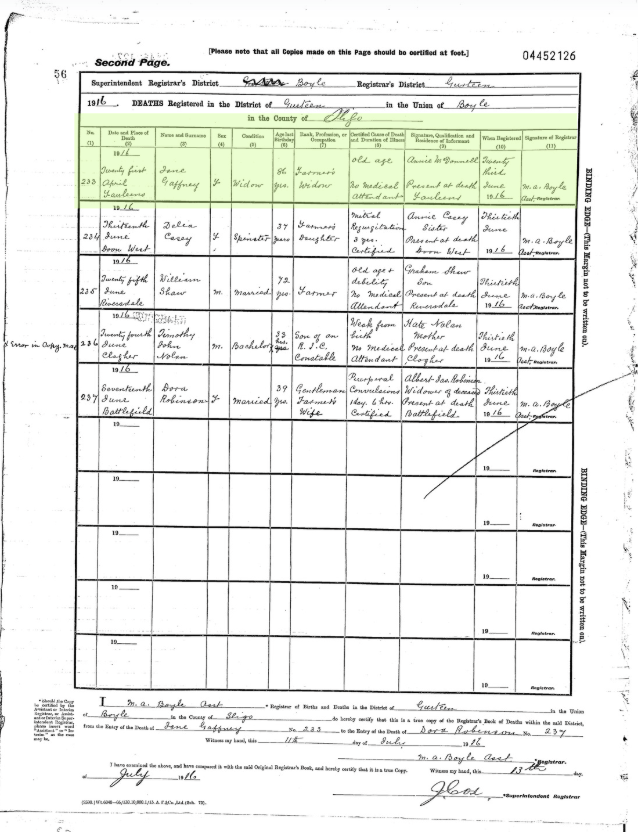
Owen/John's death was never registered. He likely died sometime before 1901, when the census shows no Owen or John Gaffney of appropriate age in Falleens. His wife Jane survived him and lived on in Falleens until her death on 24 December 1916. She was eighty-six years old. The death record notes her as a widow, her informant a neighbor, Annie McDonnell. She had outlived her husband by at least fifteen years—a long widowhood in a time when that meant genuine hardship.
Key Records: Owen/John & Jane
Marriage: John Gaffney & Jane Casey, 11 Feb 1861, Castlemore parish, Diocese of Achonry. Witnesses: John Flaherty, John Gaffney. (Parish register; no civil record—marriage predates 1864 legislation.)
Jane's Death: 24 Dec 1916, Falleens, age 86, widow. Informant: Annie McDonnell (neighbor). Reg ID 5505311. Cause: unknown.
Owen/John's death was never registered in civil records. He likely died between 1890–1901.
Patrick of Cuilmore
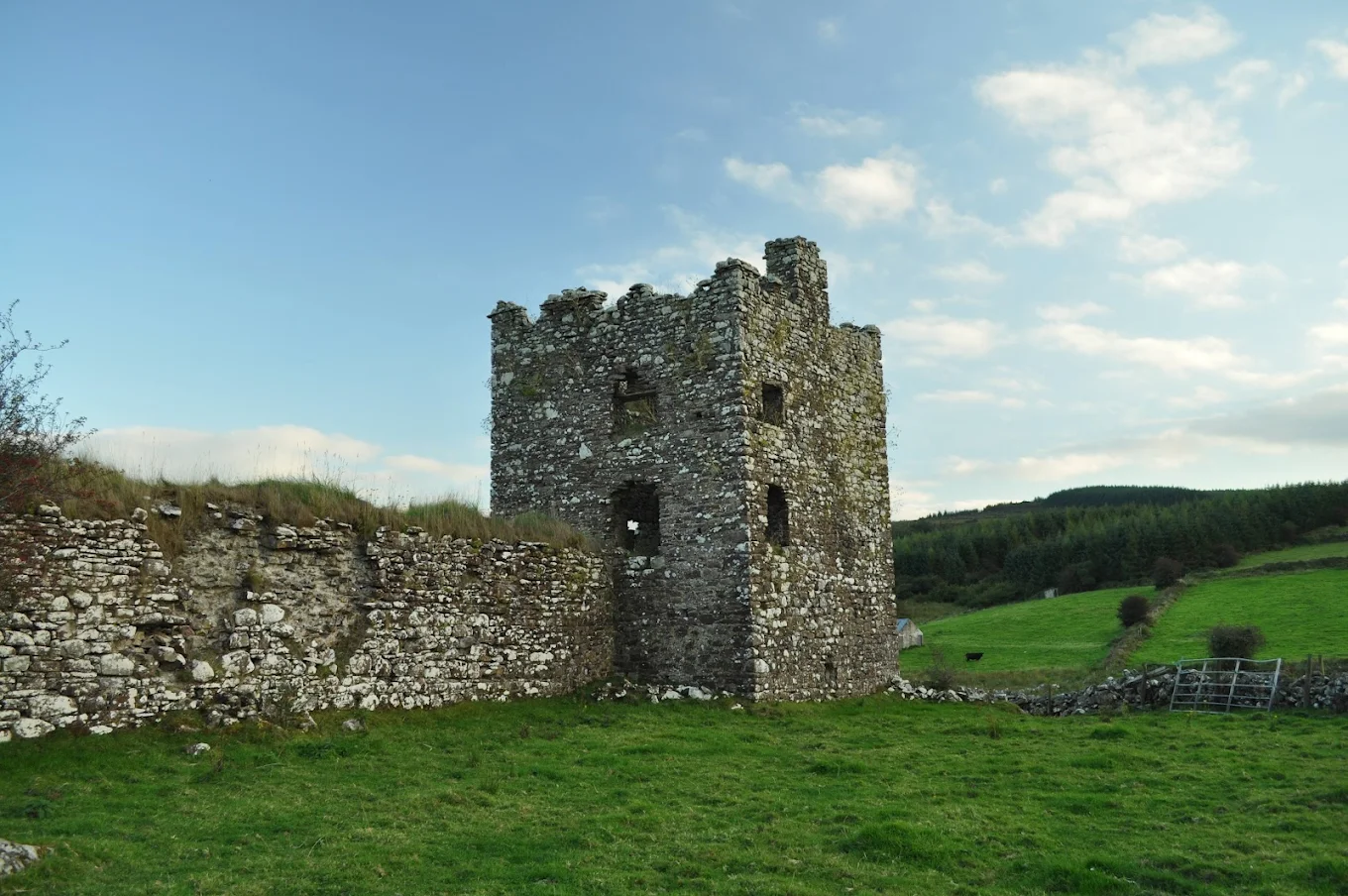
If Owen/John represents the elder branch with the deepest Falleens roots, Patrick represents the adjacent holding—Cuilmore, just across the townland boundary, where he worked a smaller plot. Patrick was born around 1819, making him roughly a decade or more older than Owen/John. He married Mary O'Hara, and together they built a life on their modest acreage.
Patrick's children appear more frequently in the records. A son Thomas was born around 1855 and would become his father's informant when Patrick died. A daughter, Margaret (Maggie), was born on 20 October 1869 in Cuilmore. Her birth certificate preserves a precious detail: her mother Mary's maiden name was O'Hara, confirming the union that had sustained Patrick's household for two decades. Maggie would marry John Hunt on 26 February 1900 in Mullaghroe church—a match that would prove crucial in linking the Falleens Gaffneys to the emerging IRA leadership in Leitrim during the War of Independence.
Patrick had other children too: a son John who married twice—first to Ann Flaherty in 1882, then to Margaret Scanlon in 1891 after Ann's death. From his second marriage came a son Patrick, born 15 February 1892. There was also a daughter Annie, who served as a witness at her sister Maggie's wedding in 1900.
Patrick himself died on a day in 1888, at the age of sixty-nine. The death record, discovered after extensive searching, shows him as a farmer of Cuilmore, informant listed as his son Thomas. The cause of death is not recorded. He had lived through the Great Famine as a young man, watched his country convulse in the Land War, and seen his children grow and marry. He died in the year before his granddaughter Maggie would enter the convent—or so the family remembered. Or perhaps it was she who would marry the IRA man. The records preserve the facts; the human story lies between the lines.
Patrick Gaffney Death Record
Date: 1888, Cuilmore, age 69, farmer. Informant: Thomas Gaffney (son). Reg ID: cide-6659108.
This is one of the few unambiguous death records for the Falleens brothers. Patrick's death document is a rare anchor in the sparse genealogical landscape.
Andrew's Branch
Less is known of Andrew Gaffney, the third brother. He held a share of one of the larger plots in Falleens and had at least two children whose names are preserved in marriage records. A daughter, Mary, married James Healy on 10 January 1887, with the record identifying Andrew as her father.
But it is Andrew's son who leaves the most intriguing trace. Andrew Jr., born around 1860 in County Sligo, followed a path that would take him away from farming. At eighteen, in 1878, he joined the Merchant Navy, signing aboard the vessel Arethusa at Sligo port. What drew him to the sea remains unknown. Economic necessity, adventure, or simply the desire to escape the narrow confines of tenant farming may all have played a part. The merchant navy records show him eventually discharged to the United Kingdom—whether he settled there, emigrated further, or returned to Ireland is not documented in the accessible records.
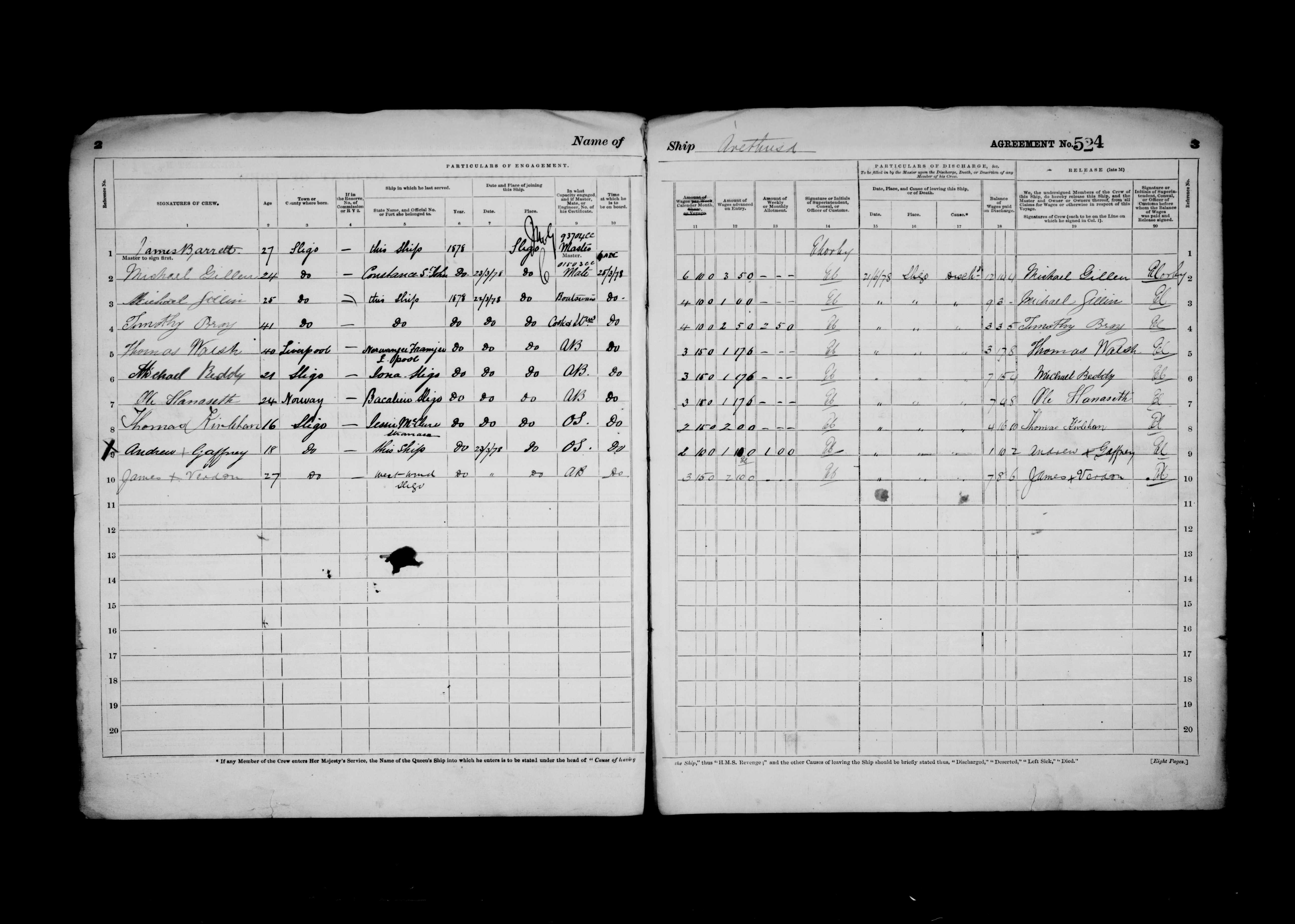
Andrew Sr. himself vanishes entirely from the 1901 and 1911 census returns. A death record for him has never been found. He may have died unregistered, emigrated silently, or simply moved beyond the reach of the surviving documents. This is a common fate for Irish surnames from the nineteenth century—the archive is incomplete, and many lives leave no trace.
The Vanished
Andrew Gaffney and his brother Owen/John share a peculiar fate: no death records, no census entries after 1870, no clear documentation of their final years. Both men simply disappear from the official record. This is a reminder that genealogy, for all its treasure troves of indexed documents, rests on foundations of silence and loss.
Matthew's Journey East
The youngest of the brothers, or at least the one most distant from the center of the Falleens holding, was Matthew. Born around 1821, he held his own plot in Falleens and married a woman named Mary Regan around 1860 or shortly before. From their union came a daughter, Winifred, born on 20 October 1860.
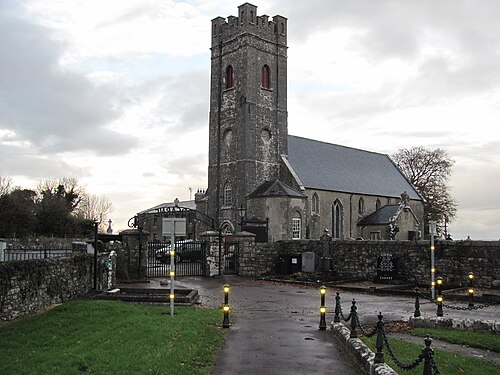
Matthew's first marriage did not endure. Mary Regan died sometime between 1860 and 1861, and Matthew married again. His second wife was also named Mary—this one a Gaffney by surname, though the marriage record does not clarify if she was a distant relative or an entirely unrelated woman who happened to share the family name. They wed in 1861, in Ardcarne chapel in County Roscommon, with witnesses Jacob Green and Catherine White.
Sometime in the 1870s or 1880s, Matthew made a decision that would separate him permanently from Falleens. He relocated eastward to Drummaunroe, in County Leitrim, about thirty kilometers away. There he settled and continued his life as a farmer. When the 1901 census was taken, Matthew Gaffney of Drummaunroe appeared as a man of eighty years old, still alive, still farming. With him were his sons John, Patrick, and Francis. His wife is not listed in that census, suggesting she had predeceased him.
The move to Leitrim was not unique among Irish farming families. As holdings fragmented, as pressure mounted from landlords, and as economic conditions shifted, many families moved beyond their ancestral territories. Matthew's relocation may have been prompted by the opportunity to rent better land, or by family connections that drew him eastward. Whatever the reason, he carried the Gaffney name to a new place, where his sons would establish their own households and, in some cases, fight in the independence struggle that would convulse Ireland in the decades after Matthew's time.
Matthew's Two Marriages
First wife: Mary Regan (d. ~1860–1861)
Child: Winifred (b. 20 Oct 1860, Falleens)
Second wife: Mary Gaffney (m. 1861, Ardcarne, County Roscommon)
Sons (Drummaunroe): John, Patrick, Francis (identified in 1901 census)
The Gort Connection
Twenty kilometers east of Falleens, in the townland of Gort, County Leitrim, a separate branch of the Gaffney family was establishing itself. Whether these Gort Gaffneys were direct descendants of one of the four brothers or represented a collateral line remains uncertain. What is clear is that by the 1890s, a Michael Gaffney was living in Gort with his wife Mary Anne Fitzsimmons, and their union would produce two sons who would leave a remarkable mark on Irish history.
Michael Jr., born around 1855, married Mary Anne Fitzsimmons on 20 January 1890 in Aughrim parish, County Roscommon. The marriage record preserves the name of Michael's father: Michael Gaffney Sr., confirming at least one generation of pedigree. From this marriage came a succession of children: Thomas (b. 1890, who died in infancy), Kate (b. ~1892), John Joseph (b. 16 October 1894), Tom (b. 16 November 1897), Patrick (b. ~1900), Mary Ellen (b. ~1906), and Bridget (b. ~1909).
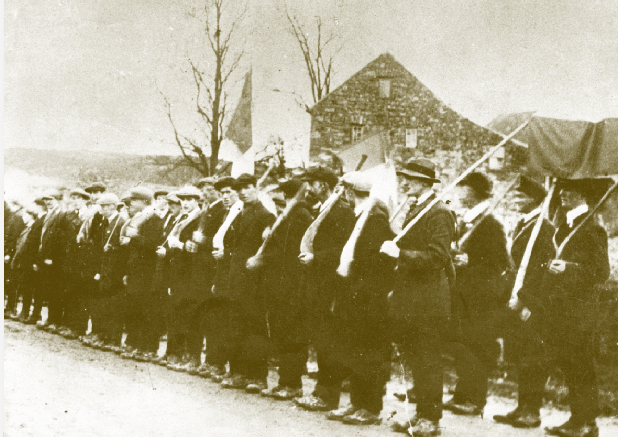
The two sons—John Joseph and Tom—would emerge as officers in the Irish Republican Army during the War of Independence. John Joseph held the rank of Captain, commanding the Jamestown Company of the Leitrim brigade. His younger brother Tom served as a Second Lieutenant. Their military records are sparse, but they represent one of the few Gaffneys whose role in the independence struggle is documented and confirmed.
How the Gort Gaffneys connected to the Falleens brothers remains an open question—one of the central puzzles in the family history. No baptism record for Michael Gaffney Sr. has been found. No marriage record explicitly names him as the son of Owen/John or Andrew or Patrick. Yet the geographic proximity and the surname suggest a connection. What is certain is that Maggie Hunt's marriage to John Hunt created a bridge: her father was Patrick of Cuilmore, and John Hunt would serve as a First Lieutenant under John Joseph Gaffney in the Jamestown Company during the War of Independence. The bond between Falleens and Gort was forged in blood and marriage, even if the exact genealogical link remains tantalizingly beyond reach.
The Hunt Bridge
On 26 February 1900, in Mullaghroe church, a marriage took place that would prove crucial to understanding how the scattered Gaffney family connected across their Sligo and Leitrim lands. Margaret (Maggie) Gaffney, daughter of Patrick of Cuilmore, married John Hunt, a farmer of Mullaghroe.
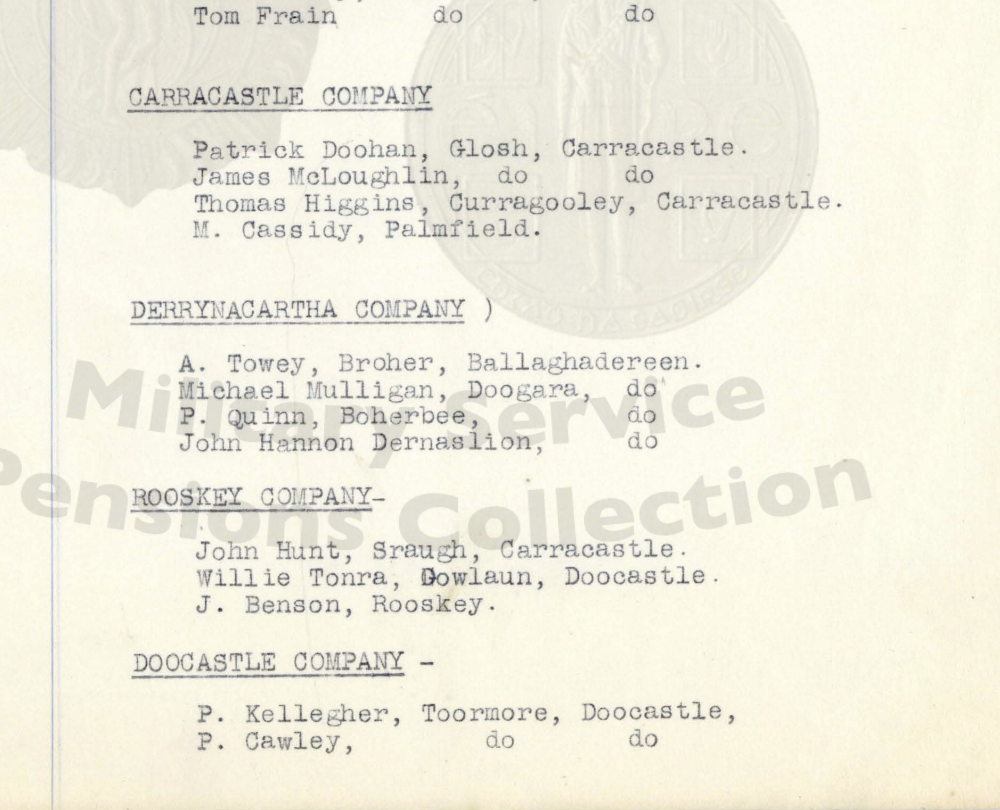
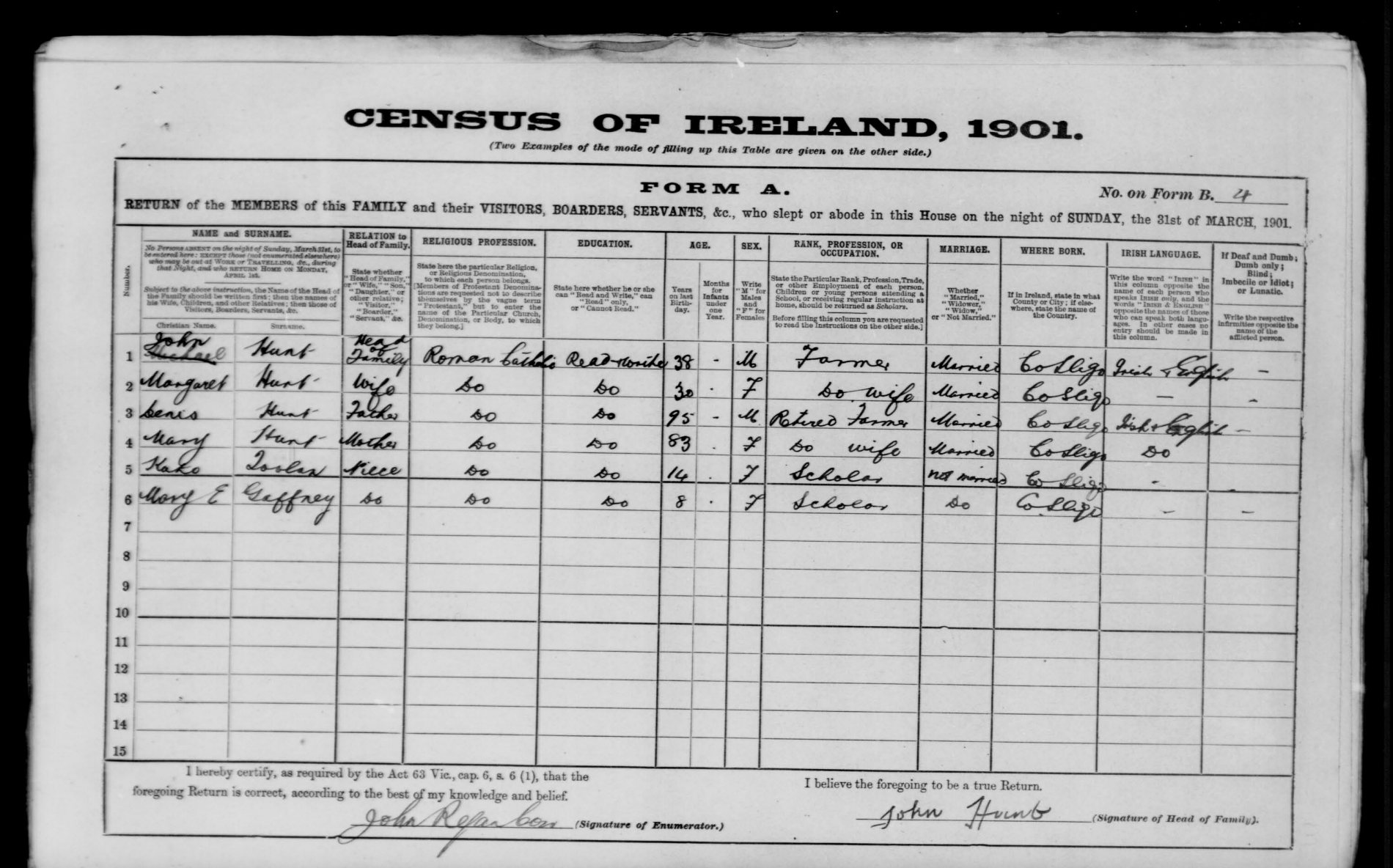
John Hunt was born around 1865. His parents, Denis Hunt (aged ninety-five!) and Mary (aged eighty-three), were still living in 1901, when they appear in the census with John, his wife Margaret, and their children in the Mullaghroe household. The couple went on to have at least four children: Mary J. (b. ~1902), Patrick William (b. ~1907), Catherine (b. ~1909), and John (b. ~1910).
But it is John Hunt's wartime role that gives the marriage its historical significance. During the Irish War of Independence, John Hunt served as a First Lieutenant in the Jamestown Company of the Leitrim brigade, directly under Captain John Joseph Gaffney of Gort. This was an unusual arrangement for multiple reasons: Hunt was already in his mid-fifties during the conflict, far older than most active combatants. He held a cross-county commission, serving in Leitrim while his wife's family was rooted in Sligo. The only explanation that fits the evidence is that his marriage to Maggie had cemented a family alliance that transcended county and townland boundaries.

In 1920, a year into the conflict, Maggie Hunt herself appears in court records. She filed complaints of threatening and abusive language against an English neighbor named Reycroft in both Sligo Borough Court and Ballymote Court. She was also fined for keeping an unregistered dog. These are small glimpses of life on the homefront during a time of violent upheaval—daily indignities, petty disputes, the friction of living under occupation.
The Gaffney and Hunt families had become intertwined, their fates linked by marriage and by the urgent politics of Irish independence. This union would echo through the twentieth century, connecting the quiet farmers of Falleens to the men who fought for a new nation.
John Hunt & Maggie Gaffney Marriage
Date: 26 Feb 1900, Mullaghroe church. Groom: John Hunt, age 35. Bride: Margaret (Maggie) Gaffney, age 30, of Cuilmore. Groom's Father: Denis Hunt. Bride's Father: Patrick Gaffney (deceased). Witnesses: James Casey, Annie Gaffney.
Note the presence of James Casey as witness—further evidence of the interconnected Casey and Gaffney families in the townland.
The Keash Legacy
About ten kilometers north of Falleens, in the townland of Tonaponra near Keash, another Gaffney family had been farming since at least the 1850s. The Griffith's Valuation records a Michael Gaffney holding 23 acres of land, house, and offices in Tonaponra — under a different landlord (Viscount Lorton) than the Falleens brothers (who were under Patrick Balfe). This was a separate, established household, not a splinter from the Falleens four.
Census records fill in the picture. In the 1901 census, a Michael Gaffney (age 47, farmer, born Co. Sligo) headed a household of nine in Tonaponra: his wife Maria (age 45), and seven children — Bridget (14), Kate (11), Mary Anne (10), Helena (8), Michl James (5), Francis Berd (3), and Edward Joseph (1). By 1911, the older daughters Bridget and Mary Anne had left, while the younger children remained. The family's civil marriage record, found on IrishGenealogy.ie, confirms that Michael married Maria Taheny on 4 February 1885 at the Roman Catholic Chapel of Keash. His father was listed as Michael Gaffney, Farmer — the same man who appears in the Griffith's Valuation a generation earlier.
That five-year-old boy in the 1901 census — Michael James Gaffney — would grow up to become the patriarch of a remarkable GAA dynasty. He married Margaret Jane (surname not yet confirmed), settled in Tonaponra, and raised sons who would become legendary figures in Sligo football.
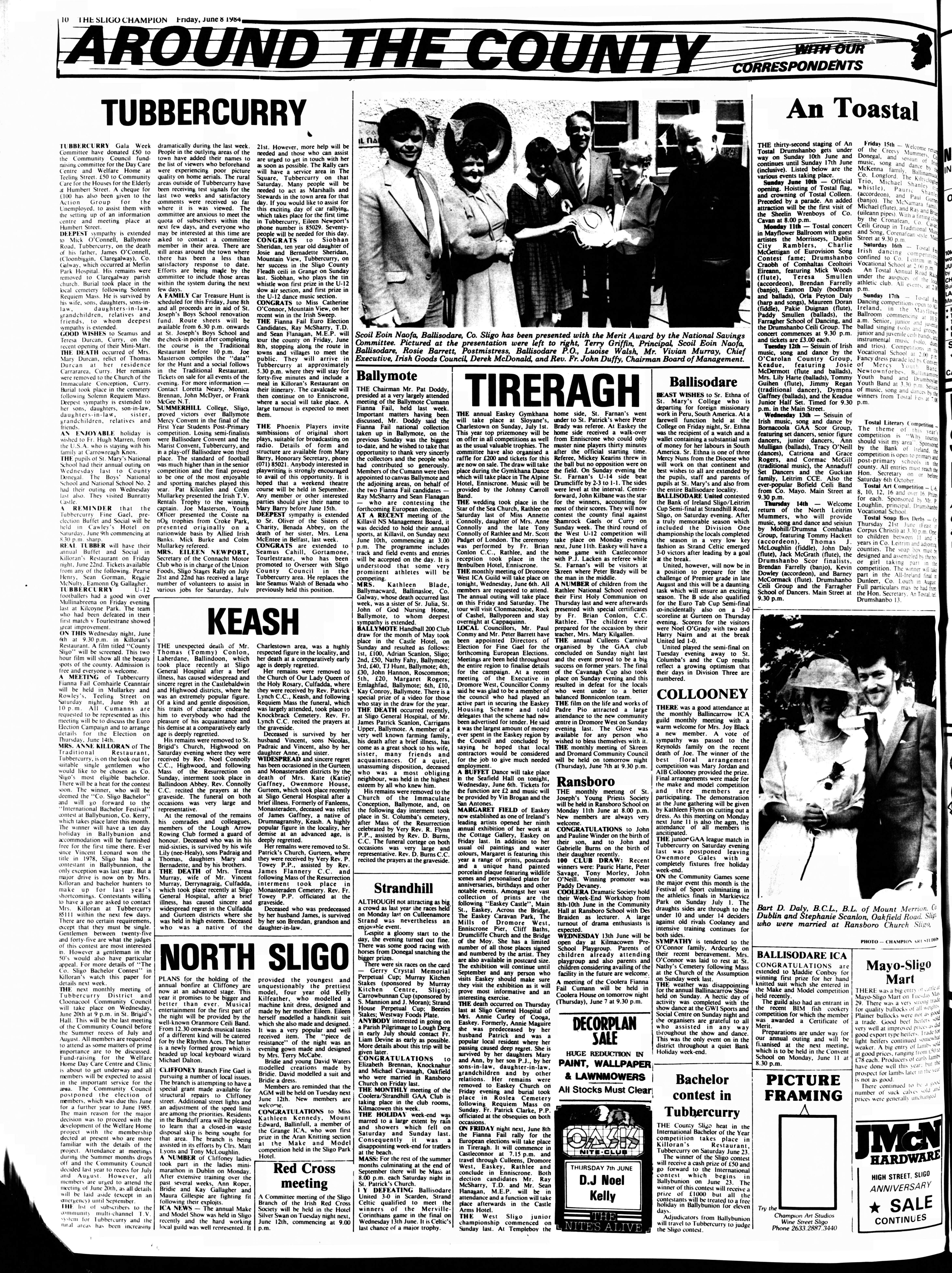
The Gaffney brothers — Mick, Tommy, Pat, and Louis — dominated Keash and Sligo GAA in the 1950s. Mick Gaffney was selected for Connacht Railway Cup teams in 1954, 1955, and 1956, an inter-provincial honor that placed him among the finest Gaelic athletes of his generation. A 1980 retrospective listed four Gaffneys on a single Keash team, with Mick as captain. Pat emigrated to London but kept his Keash identity until his death in 1984. Tommy remained in Ballinafad, near Keash, and served on the Sligo-Donegal hurling committee. The family's athletic legacy continued into later generations through the Eastern Harps club.
Were the Tonaponra Gaffneys related to the Falleens brothers? Almost certainly — but not as a direct branch. Both families were Gaffney farmers in south Sligo, settled within the historic Ó Gamhna sept territory, both established on their own land by the 1850s. The grandfather Michael in Tonaponra was a contemporary of Owen/John, Patrick, Andrew, and Matthew in Falleens — likely a cousin or kinsman from the wider clan, not a son or brother. They shared a surname, a faith, a region, and almost certainly a common ancestor within a generation or two. But the baptism records that would prove the exact link do not survive for this area before the 1850s.
One proven bridge does exist between the two communities. Katie Gaffney, described in her 1984 obituary as "formerly of Fanleens, Monasteraden," married James Gaffney of Drumnagranshy, Keash. A woman from Falleens married into the Keash Gaffney world — whether she was a granddaughter of one of the Falleens brothers or a more distant relation, she carried the Falleens name into the Keash community. And in 1928, a Mrs. John McShera of Boyle — identified as the sister of Patrick Gaffney, with nieces Katie and Bridget Gaffney listed as mourners — provides further evidence that the Falleens and Keash Gaffneys maintained family ties well into the twentieth century.
The Tonaponra Gaffneys — Three Generations
Generation 1: Michael Gaffney, Farmer — appears in Griffith's Valuation (~1857), Tonaponra, 23 acres under Viscount Lorton.
Generation 2: Michael Gaffney (b. ~1854) — married Maria Taheny, 4 Feb 1885, Keash Chapel. Father: Michael Gaffney, Farmer. Nine children in 1901 census.
Generation 3: Michael James Gaffney (b. ~1896) — married Margaret Jane. Father of the GAA brothers: Mick, Tommy, Pat, Louis.
Connection to Falleens: Probable kinsmen within the Ó Gamhna sept, farming different townlands ~10km apart under different landlords. The exact genealogical link remains unproven.
The Dispersal
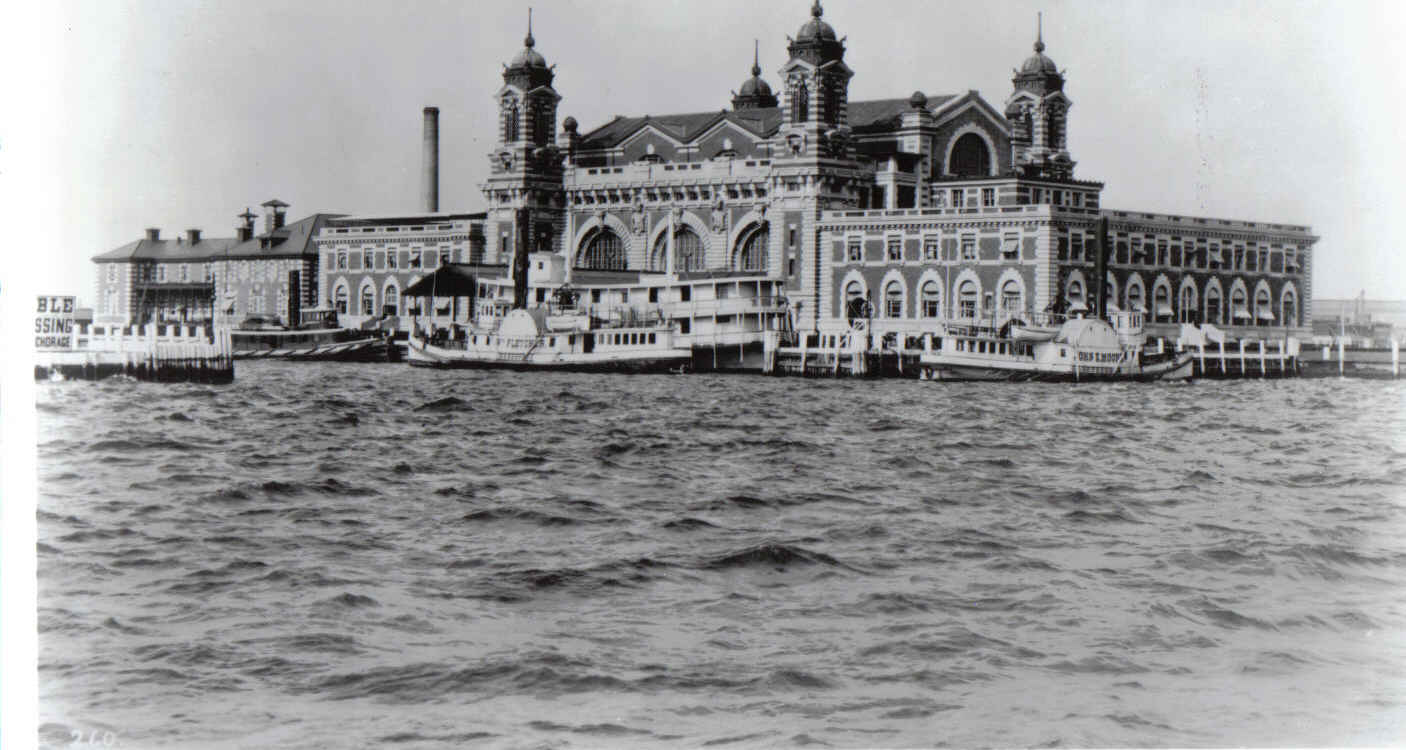
What becomes clear when one examines the census returns and death records is that by 1901, the Falleens Gaffneys had vanished. Not a single Gaffney appears in the official enumeration for that year. The brothers had died or scattered. The younger generation had emigrated to America, moved to England, joined the merchant navy, or relocated to neighboring counties. The land that had sustained the family for generations was passing into other hands.
The Balfe estate, under which all the Gaffney holdings lay, had been sold through the Encumbered Estates Court. Tenancy would change hands. New families would work the plots that Owen/John, Patrick, Andrew, and Matthew had worked. By 1911, not even a widow named Gaffney remained in the townland—only Jane Casey, now ancient, living alone or with neighbors, her once-substantial family dissolved into memory and diaspora.
This dispersal was not unique. Across Ireland in the decades following the Great Famine, tenant farming families fragmented. Sons emigrated to America or Australia. Daughters married into neighboring families or sought work in towns. The eldest son, if fortunate, inherited the holding; the others had to seek their fortunes elsewhere. The Industrial Revolution and the growth of urban centers pulled young people away from agricultural work. Land reform legislation would eventually break the power of landlords, but by then, the old family farms had already been abandoned or fragmented beyond recognition.
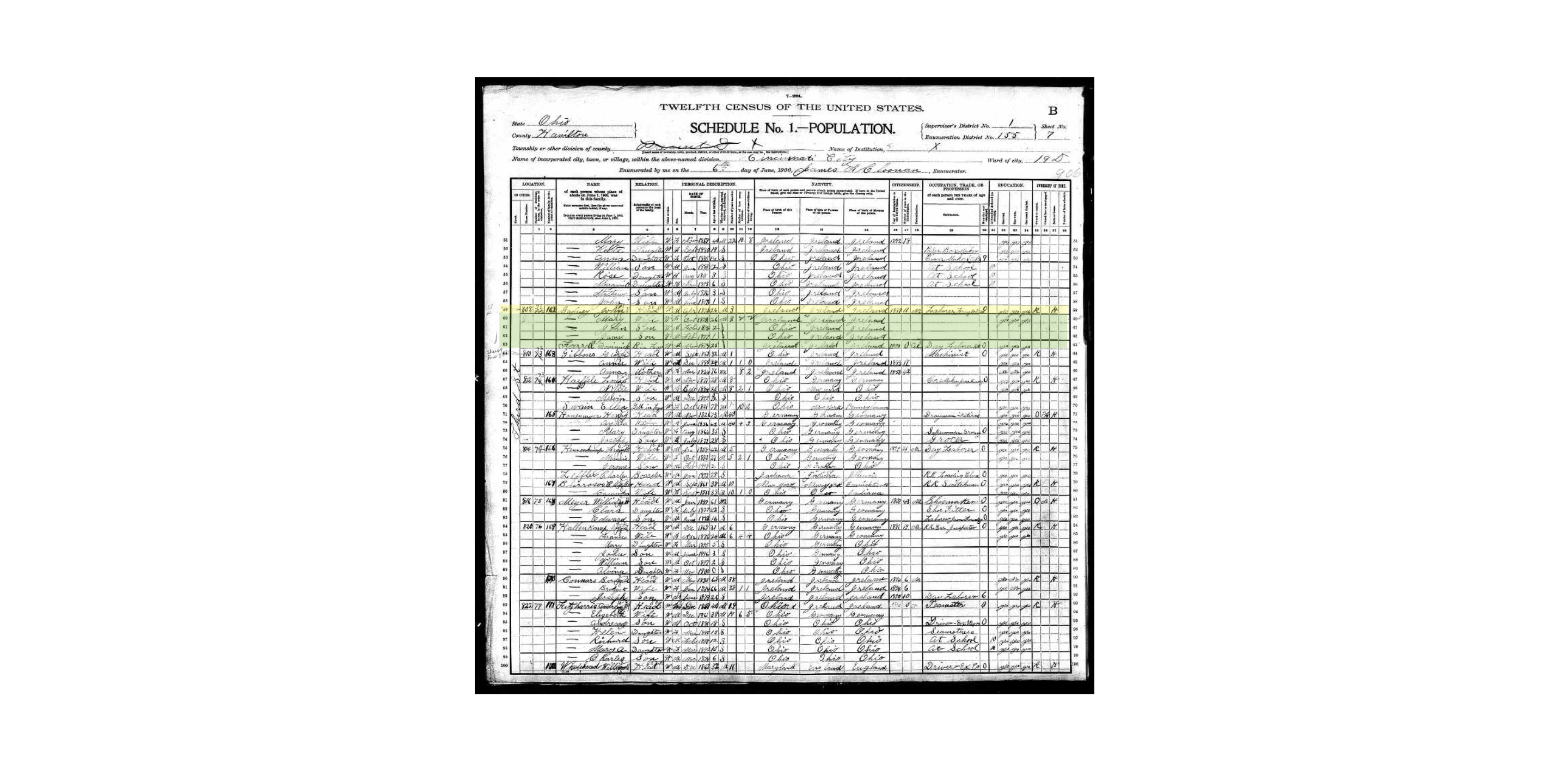
For the Gaffneys, this dispersal took specific shapes. Owen/John's son John Jr. went to Cincinnati and became an American. Andrew Jr. joined the merchant navy and disappeared into maritime records. Patrick's children remained in Ireland but in different townlands—some in Leitrim, some in the emerging towns. Matthew moved to Drummaunroe, thirty kilometers from his birthplace, a distance that in the nineteenth century might as well have been a continent. And yet, through marriage and kinship, the family remained connected. The Hunts married into them. The Cassidys witnessed their weddings. The place names remained fixed in their memory even as the body had scattered.
A Townland Emptied
1901 Census: Zero Gaffneys in Falleens or the surrounding Coolavin district. (Mary E. Gaffney, age 8, appears in the Hunt household in Mullaghroe, possibly a daughter or niece.)
1911 Census: Zero Gaffneys. Jane Casey, widow, age 86, still lives in Falleens, but listed as a Casey, not a Gaffney.
The dispersal was complete. Within two generations of Griffith's Valuation, the Gaffney name had vanished from the townland it had defined.
A Footprint: Mrs. McShera
The discovery of Mrs. John McShera's death notice in the Roscommon Herald of 25 February 1928 provides a tantalizing glimpse into how the family survived the dispersal. This woman, born a Gaffney, had married into the McShera family of Boyle. Her funeral was attended by her brother Patrick Gaffney and her nieces Katie and Bridget Gaffney. The notice is brief, offering no maiden name, no dates of birth or death, no explicit statement of her relationship to the other mourners beyond "brother" and "niece."
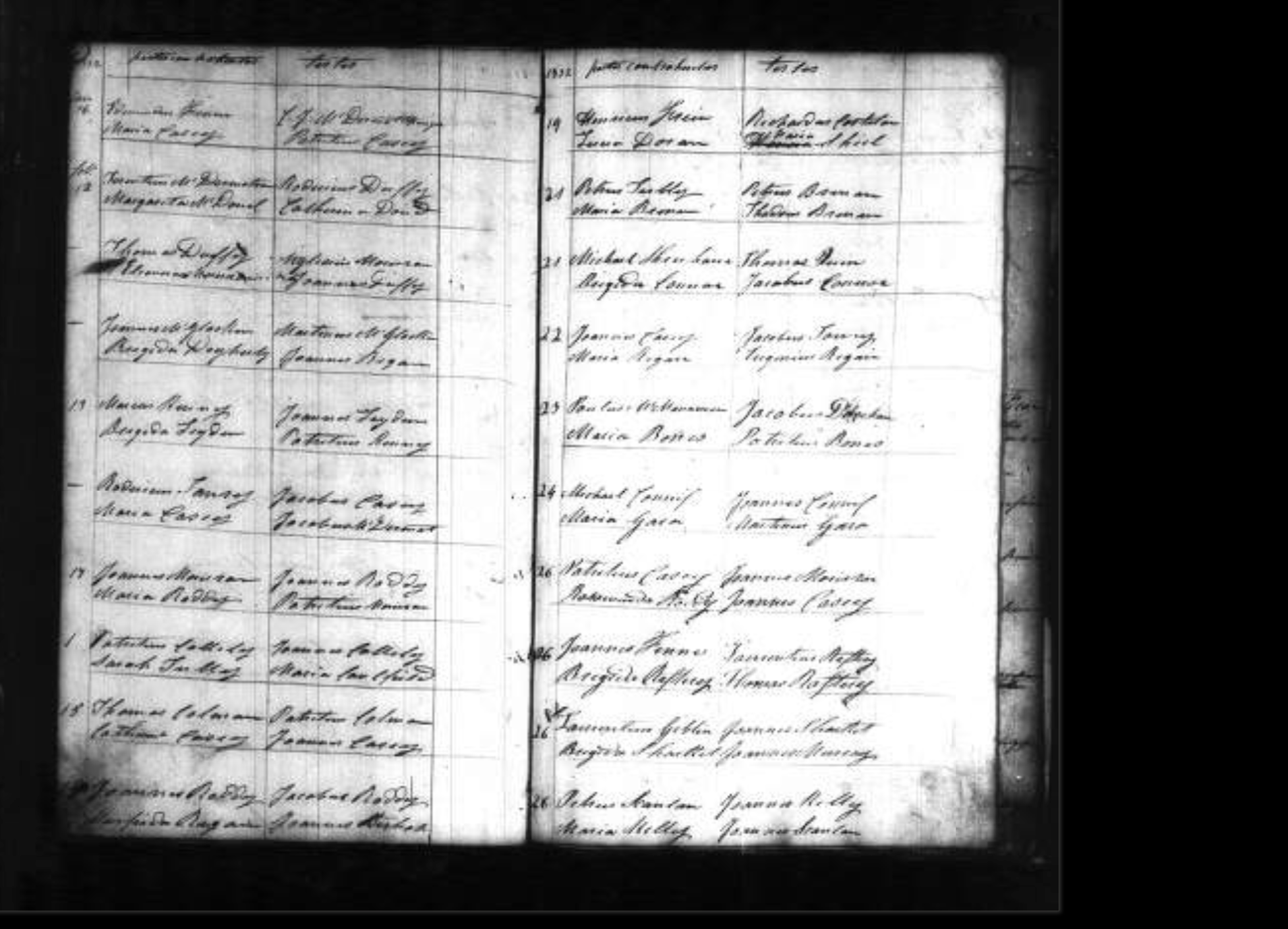
Yet she serves as a crucial link: proof that the Gaffneys remained knitted into the social fabric of their region, that they maintained enough contact to attend funerals and mourn together, that they were "from an old and esteemed family" even in their dispersal. Her marriage into the McShera family of Boyle suggests another cross-townland alliance, another way that the scattered Gaffneys remained embedded in networks of kinship and obligation.
She is one of thousands of such women—married out of the family, their maiden names preserved only in funeral notices and genealogical records. Her story is incomplete, reconstructed from fragments. Yet she represents something essential: the continuity of family even as the family itself was being unmade by history.
Echoes & Legacy
The story of the Gaffneys of Falleens is one of many such stories that play out across the Irish countryside in the nineteenth and early twentieth centuries. It is a story of resilience and loss, of family bonds tested by emigration and economic displacement, of a way of life that would not survive the modern era.
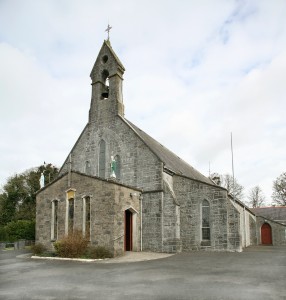
What gives this story particular poignancy is how fragmentary the record is. Owen/John's death was never registered. Andrew vanished entirely. Patrick left only a death record and scattered mentions in his children's documents. Matthew moved to Leitrim and established a second family there, but left no memoir of his motivations. The four brothers are known to us primarily through the lives they shaped in others—in the children they fathered, the women they married, the witnesses they provided to one another's sacraments.
Yet in that very incompleteness lies a kind of truth. These were ordinary people, neither wealthy nor celebrated. They farmed tenant land on an estate that would go bankrupt. They lived through the famine era, witnessed land war, and saw their children choose new countries and new lives. They left behind not grand narratives but traces: a marriage witnessed in a parish register, a name on a census return, an informant's relationship to the deceased listed on a death certificate.
Today, more than a century after the last Gaffney lived in Falleens, their descendants work to reconstruct their story. A great-great-grandson in Cincinnati sparked a genealogical quest. Researchers traced passenger manifests, read microfilmed parish registers, and cross-referenced civil records across three counties. The Keash Gaffneys, who never knew their Falleens roots, became part of the narrative once again. The Hunt family, the Cassidys, and the McSheras were woven into the fabric of understanding.
What emerges is not a complete story—genealogy rarely offers that—but a portrait of people living through history, adapting to change, and maintaining family bonds across enormous distances and through profound disruption. The Gaffneys of Falleens are gone from their land. But they live on in the descendants who bear their name, in the records that document their existence, and in the effort to understand and honor their lives.
Explore Further
To deepen your understanding of the Gaffney family story, explore the interactive family tree, examine the Griffith's Plot Map showing the actual lands they farmed, or visit the War of Independence page to learn about the Gort branch's military service.